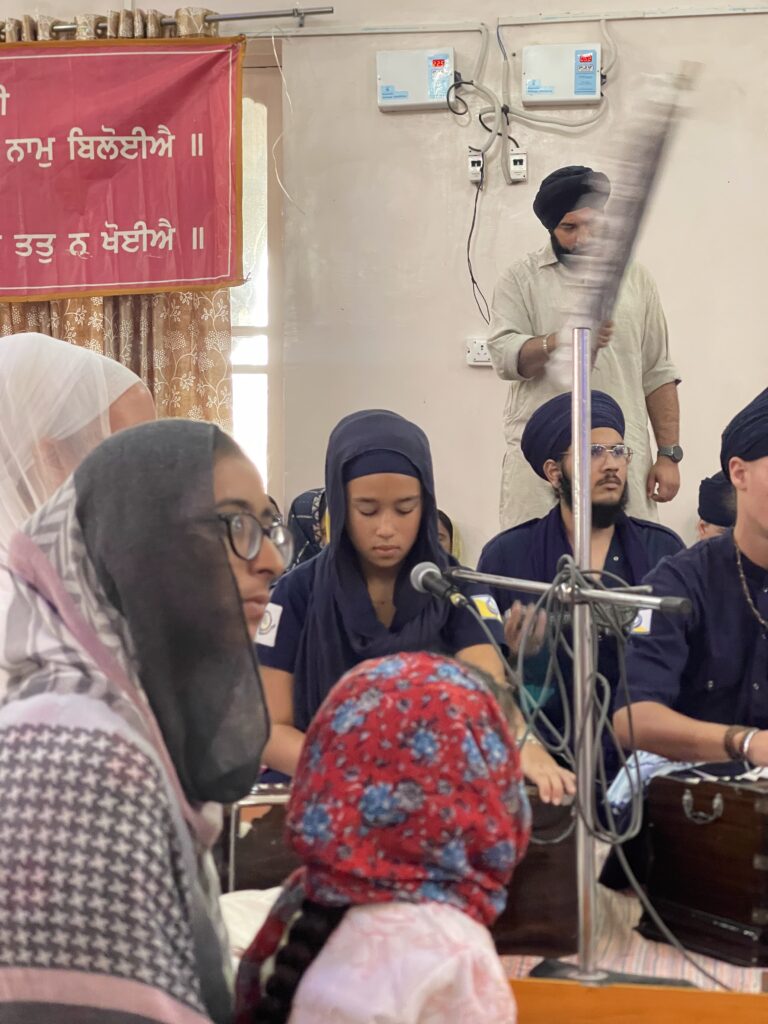
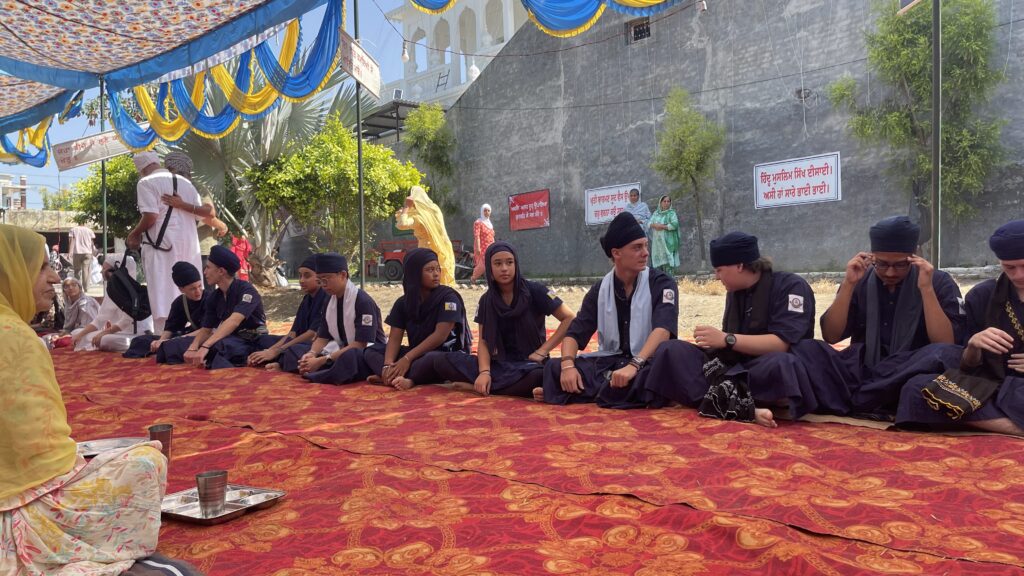
Led by Dharambir Kaur, the Japji Sahib Student Translation Project invited students to move beyond simply reading or reciting Guru Nanak Dev Ji’s foundational bani. Instead, students engaged with the difficult process of analyzing, interpreting, discussing, and redesigning the text from the ground up.
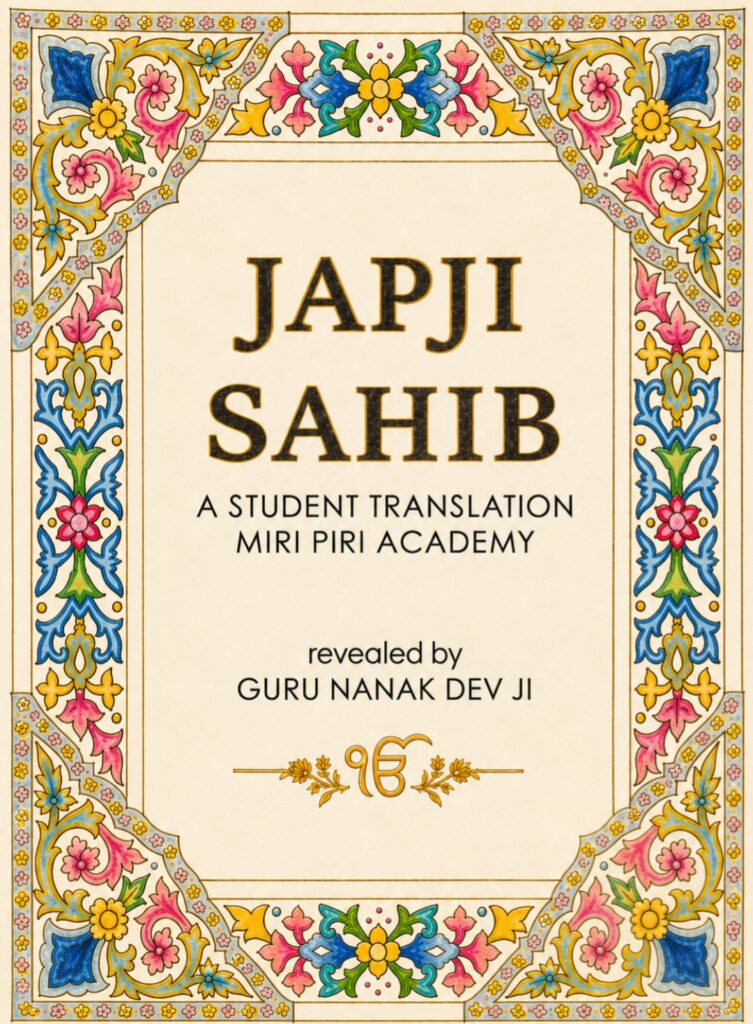
Language, Interpretation, and Translation
The work combined language study, philosophy, reflective interpretation, visual design, and collaborative discussion. Over several months, students worked through layered Punjabi vocabulary, unfamiliar grammar, and spiritual poetry while gradually building their own understanding of the text.
The process proved far more challenging than many students initially expected. Students repeatedly revised translations, compared interpretations, explored sentence structure, and discovered how small grammatical changes could significantly affect meaning. Rather than producing fully independent scholarly translations, the project helped students recognize how complex and careful the process of translation actually is, and how difficult it can be to communicate spiritual language clearly without oversimplifying it.
Using structured worksheets and interpretive resources, students explored different approaches to Japji Sahib while also learning that some meanings become clearer only through repetition, discussion, and reflection over time.
Reflection and Discussion
Alongside the analytical work, students also had a session with Ravijit Kaur, who helped them explore a more personal relationship with Japji Sahib and reflected on questions that emerged throughout the process.
As the project developed, students gradually shifted from simply trying to “find the right answer” toward reflecting more personally on themes such as ego, Hukam, desire, effort, and self-understanding. The depth of understanding naturally varied from student to student, but many developed a more thoughtful relationship with the bani through the process of wrestling with its meanings rather than simply receiving fixed answers.
Sikh Manuscript Traditions and Design
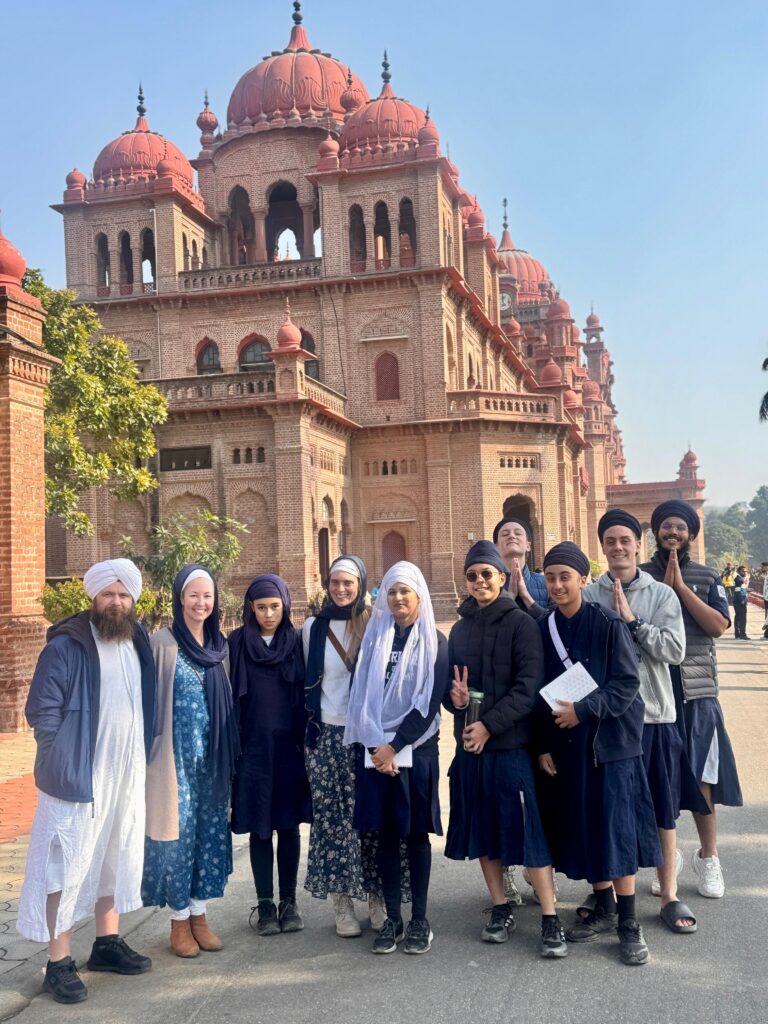
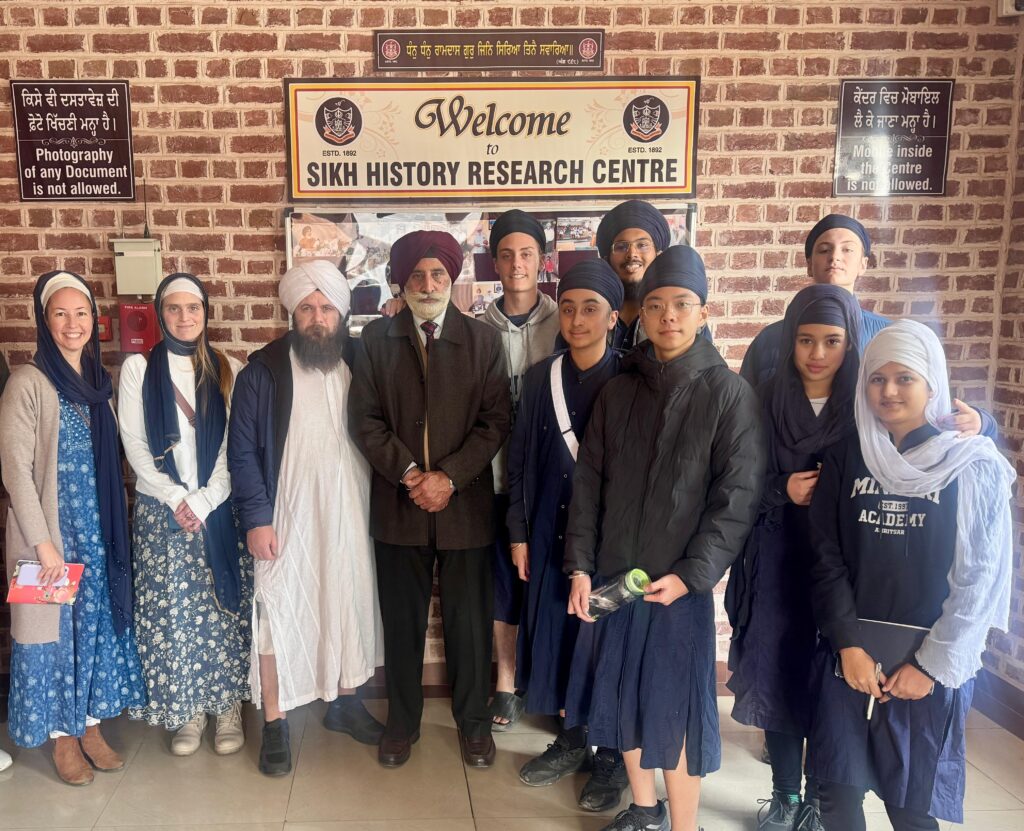
The class also explored Sikh manuscript traditions through a visit to Khalsa College, where students studied historic handwritten texts and decorative designs.
Khalsa College Visit
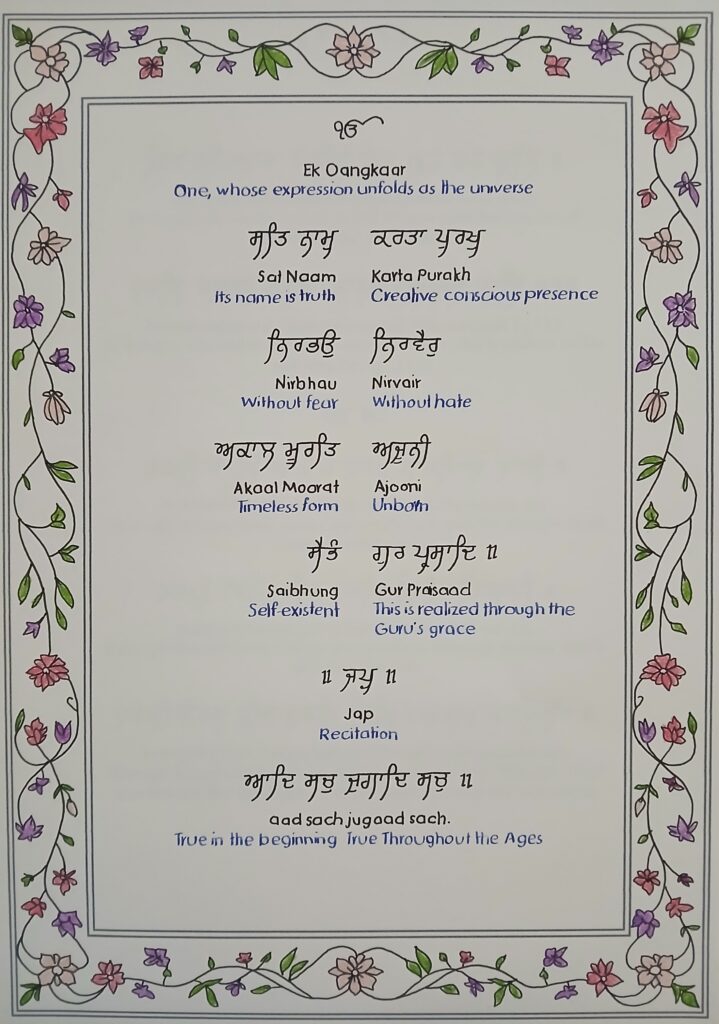
Inspired by these traditions, students experimented with floral borders, page composition, spacing, and handwritten layouts before assembling the final digital booklet.
One of the student’s mother also contributed by helping source ideas for the border design of the cover page.
Border Design Drafts

Final Booklet
The project demanded patience, concentration, artistic discipline, and sustained revision over many months. The final booklet is not presented as a perfect or authoritative translation, but as an honest student engagement with the depth, difficulty, and contemplative nature of Japji Sahib.
Miri Piri Academy bloomed with the warmth and joy of Vaisakhi. More than a festival, this day became a beautiful celebration of community — a moment to pause, reflect, and express gratitude for every soul that makes this academy the extraordinary place it is. Rooted in the timeless values of Naam Japo, Kirat Karo, and Vand Chakko, the day unfolded as a true expression of who we are.
A Morning Rooted in Spirituality
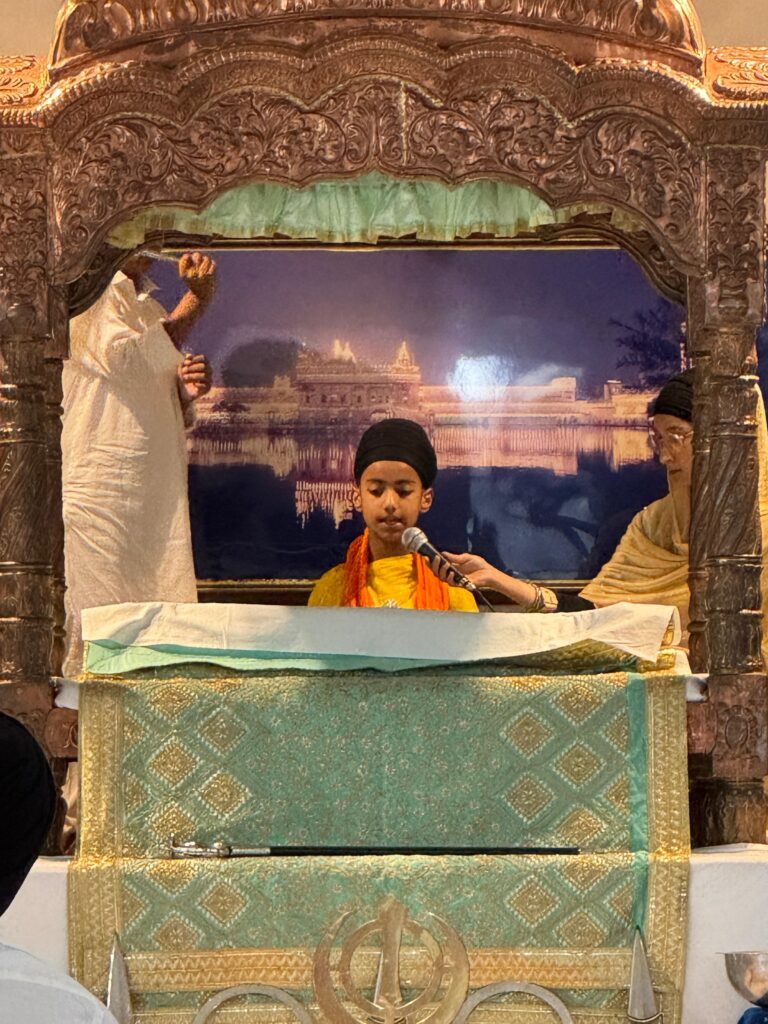
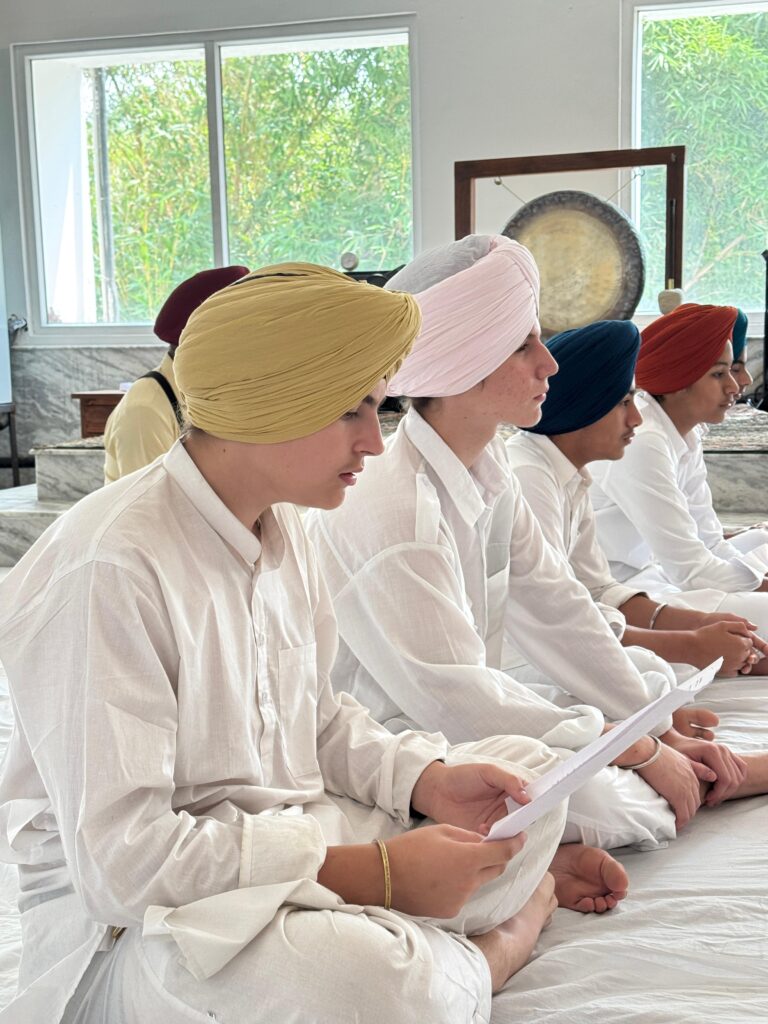
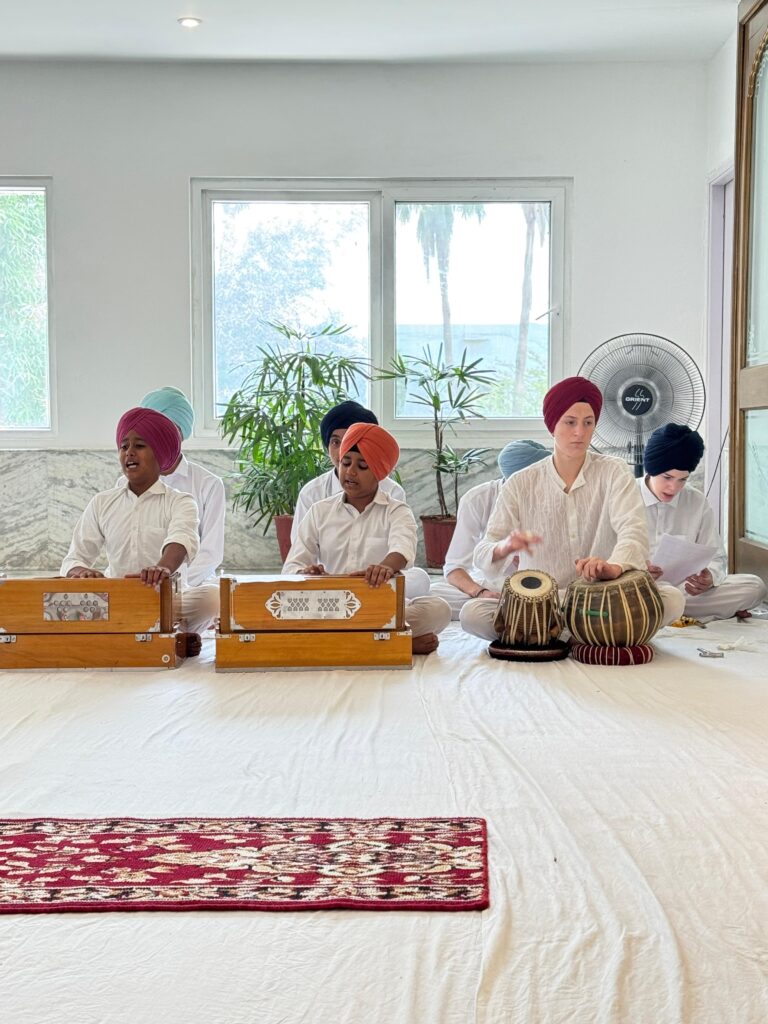
The day opened in the sacred embrace of Gurdwara Sahib, where students performed Gurbani Kirtan and joined together in Ardas. The air was filled with devotion and stillness — a gentle reminder that at the heart of everything we do lies a deep connection to the Divine and to one another.
Honoring the Hands That Hold Us Together
Every beautiful campus has invisible hands that shape it. Today, we made them visible.
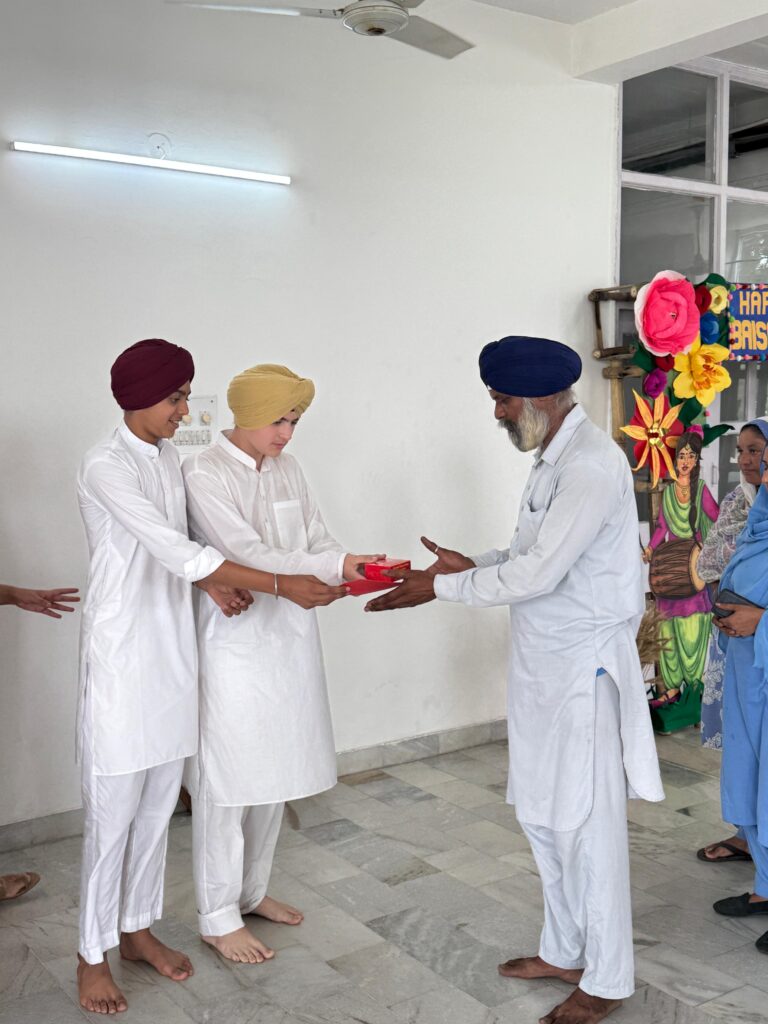
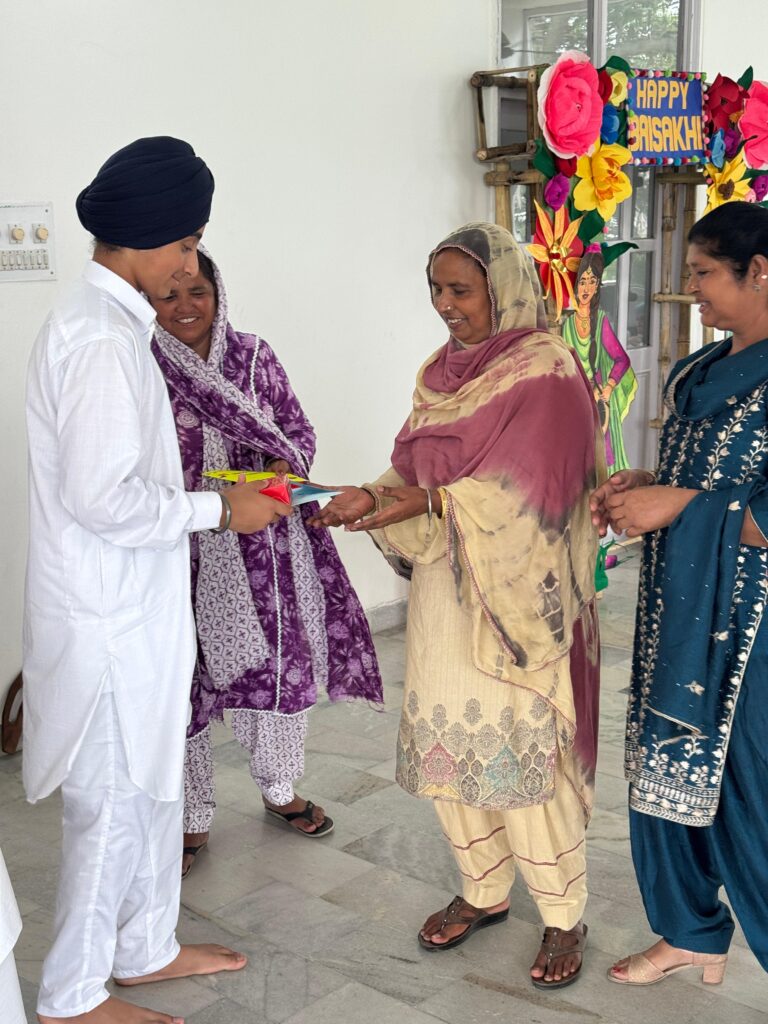
Our kitchen team was celebrated for the love they pour into every meal. Our housekeeping staff were honored for the care and pride they bring to every space. Our gardeners were thanked for the greenery and beauty that greets us each morning — without them, our campus would lose its soul. Our electricians were recognized for keeping our environment comfortable and functional, working quietly behind the scenes so that learning never stops. Our carpenters were appreciated for building and maintaining the spaces where memories are made. Our drivers were honored for their reliability and care in keeping our community safely connected. Our medical team was celebrated for being the steady, compassionate guardians of every student’s health and wellbeing. And our administrative staff were recognized as the unsung heroes whose flexibility and dedication hold everything together.
Each one of them is a living example of seva, and today we were proud to say — we see you, we value you, and we are deeply grateful.
A Message from Our Chairman
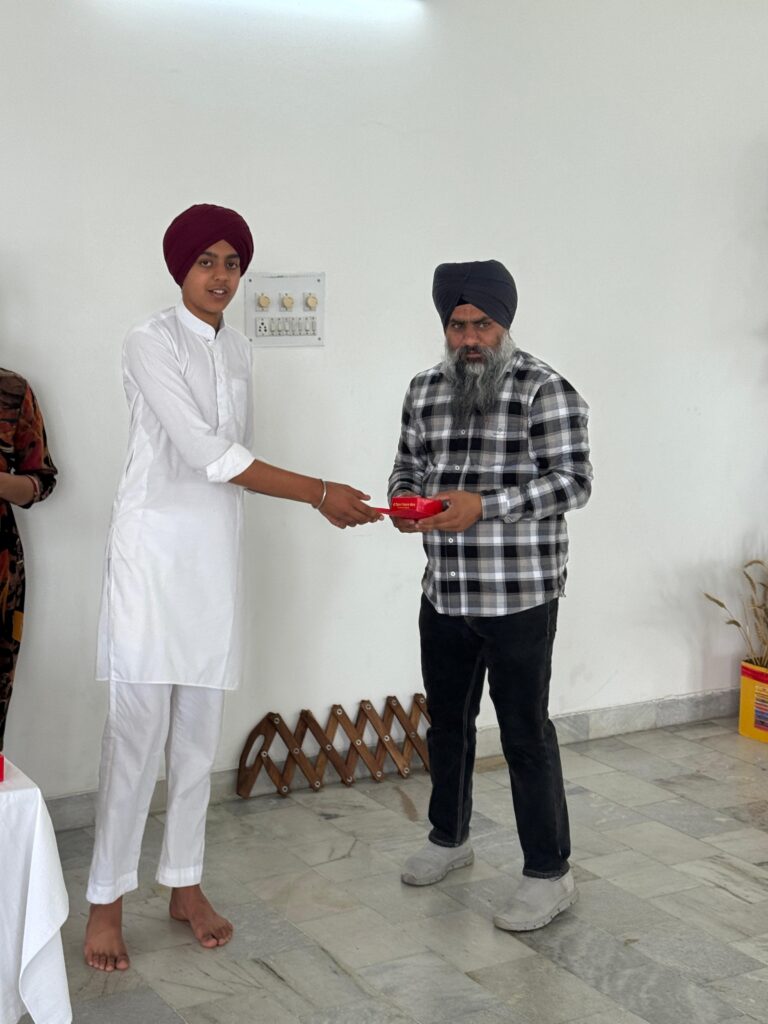
We were deeply honored by the presence of S. Kulbir Singh Ji, Chairman of Miri Piri Academy and youngest son of Yogi Bhajan. A man who personally secured the land for this academy in the ancestral birthplace of Guru Hargobind and spent five years overseeing its very construction, his connection to MPA runs deeper than any title. Under his vision and care, the academy has grown to inspire students from over 39 countries across the world. He distributed certificates to deserving students and offered words that reminded us all — greatness is built through discipline, service, and love.
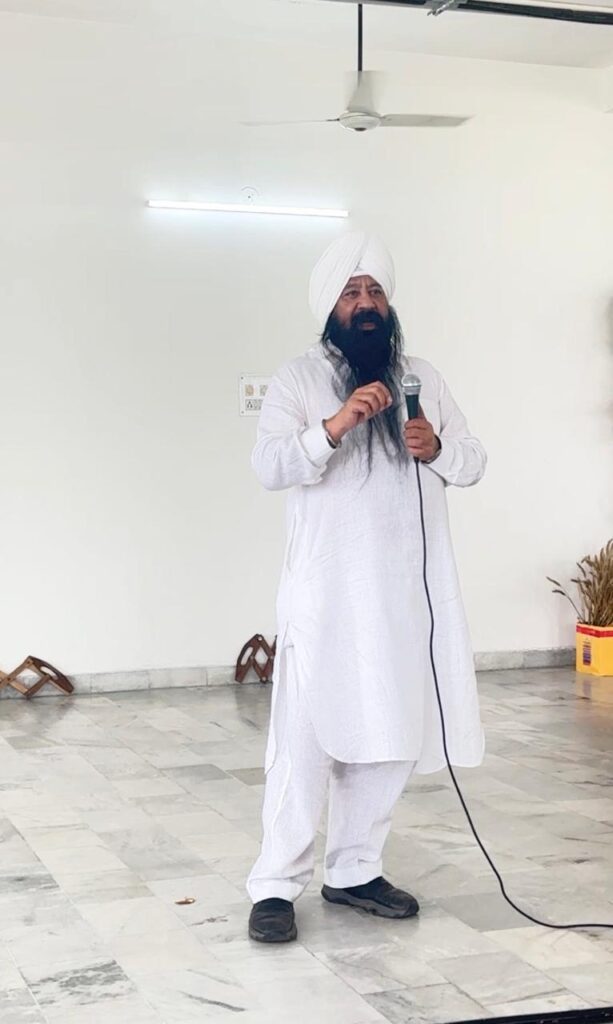
Student Awards 2026–2027
Based on nominations from our academic teachers and residential staff, the following students were honored for their outstanding commitment to our core values.
Naam Japo — Meditate
Considerate Spirit Award Emaanjot Singh and Sukhprem Singh — For his consistently kind and respectful presence that uplifts everyone around him.
Spiritual Stamina Award Jaijagkaran Singh — For being the only student to complete the 40-Day Meditation, 40-Day Seva, and the 84 Steps at Goindwal Sahib — a true testament to his extraordinary commitment.
40 Day Seva — Akal Dharam, Jaijagkaran, Jashandeep, Japjeet
40 Day Meditation — Jaijagkaran and Teg Ved
Completed 84 Steps — Akal Dharam, Jaijagkaran, Sofia , Jashandeep, Japjeet, Teg Ved
Kirat Karo — Work Hard
Well-Rounded Excellence Award Teg Ved Singh, Ekamnoor Kaur, Avreet Kaur — For their outstanding commitment to academic excellence and community responsibility.
Steady Ascent Award Sahejdeep Singh, Arjun Singh, Akal Dharam Singh, Yu Tung Cheng — For their remarkable resilience, growth, and never-give-up spirit throughout the year.
Vand Chakko — Share with Others
Vand Chakko Award Dilsher Singh — For leading with positivity and fostering an inclusive, vibrant culture in his classroom.
Residential Leadership Award Japjeet Singh and Armaandeep Kaur — For their outstanding service to the dormitory community, embodying the true spirit of care and leadership.
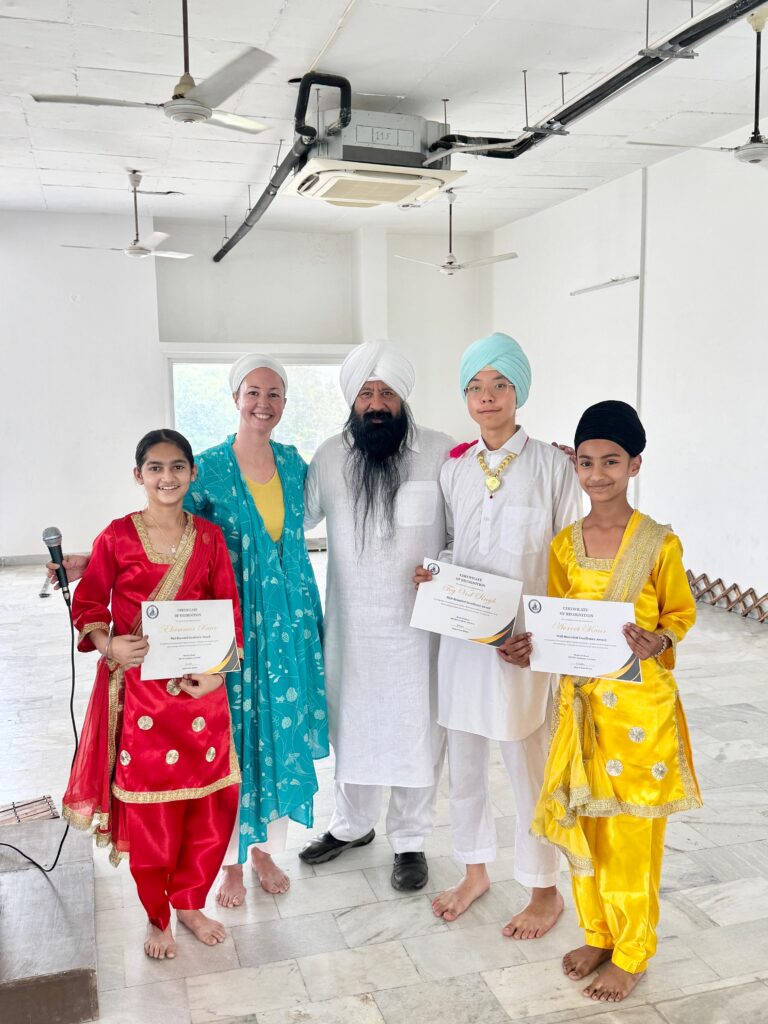
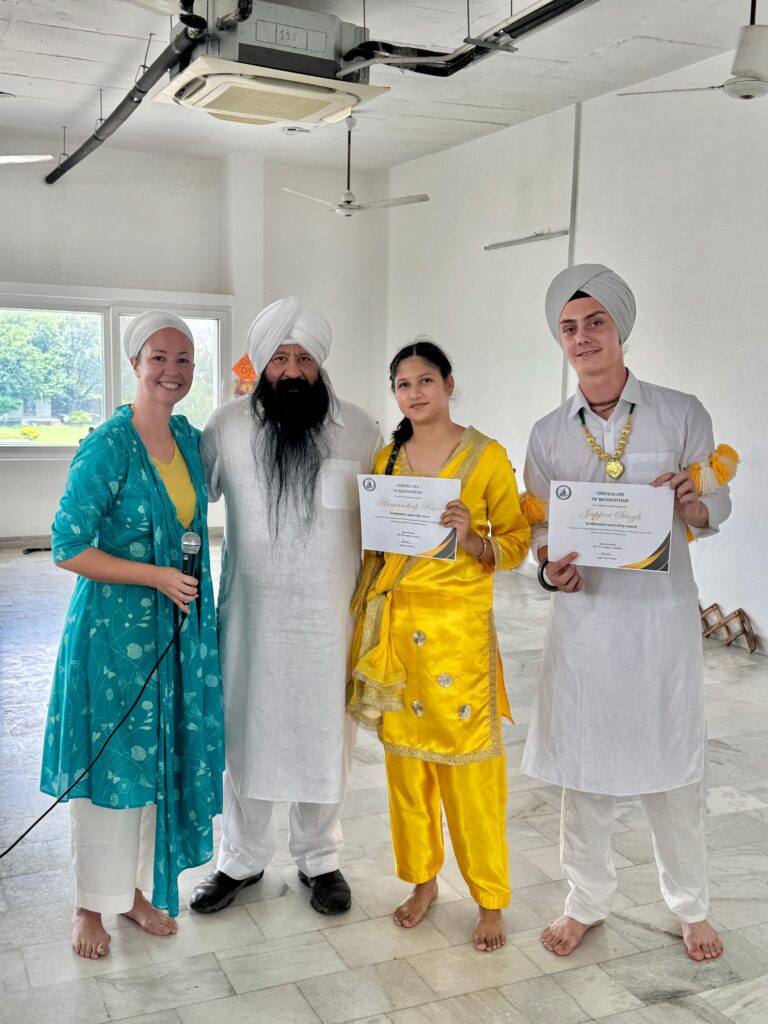
A Feast, A Dance, A Family
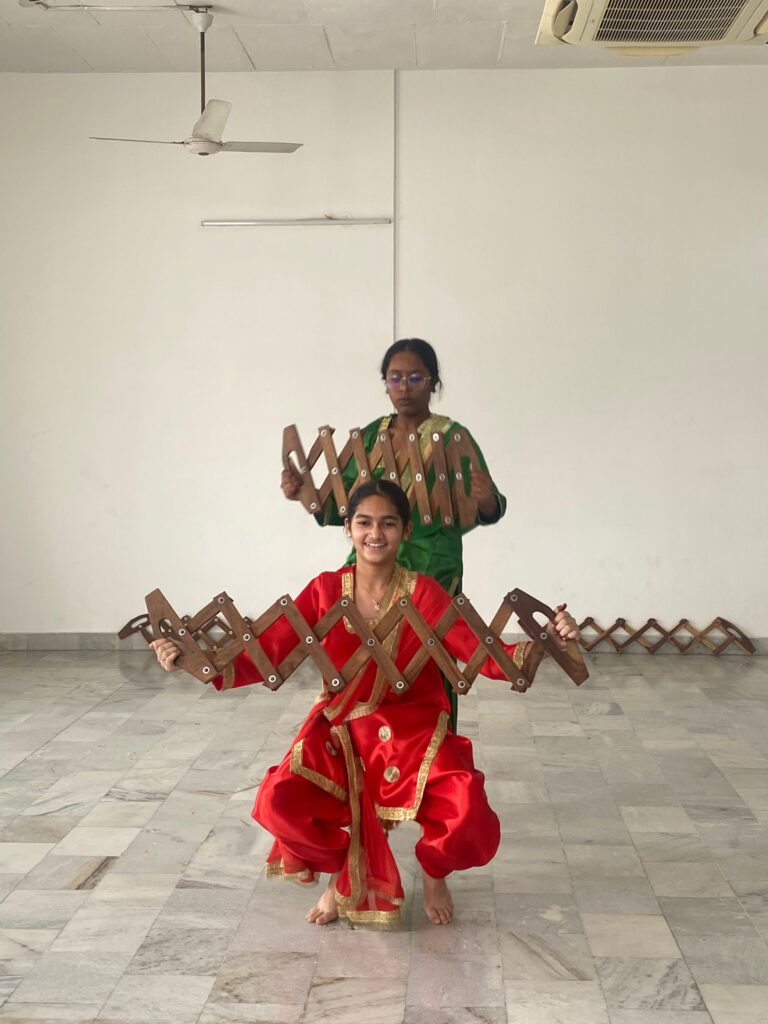
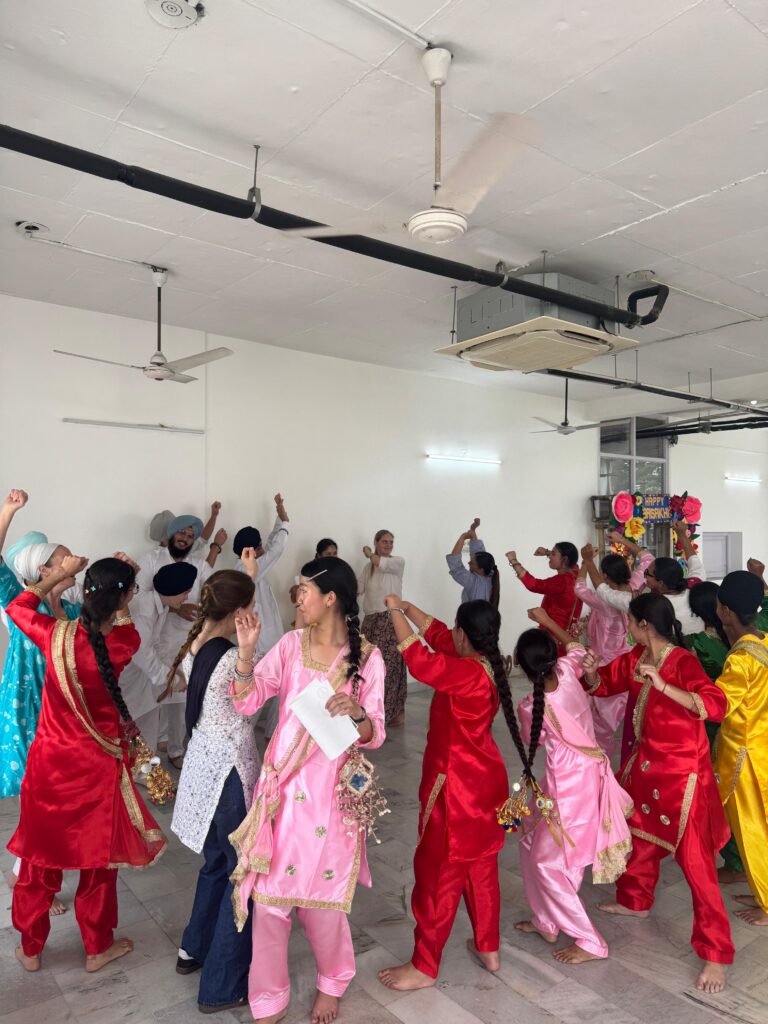
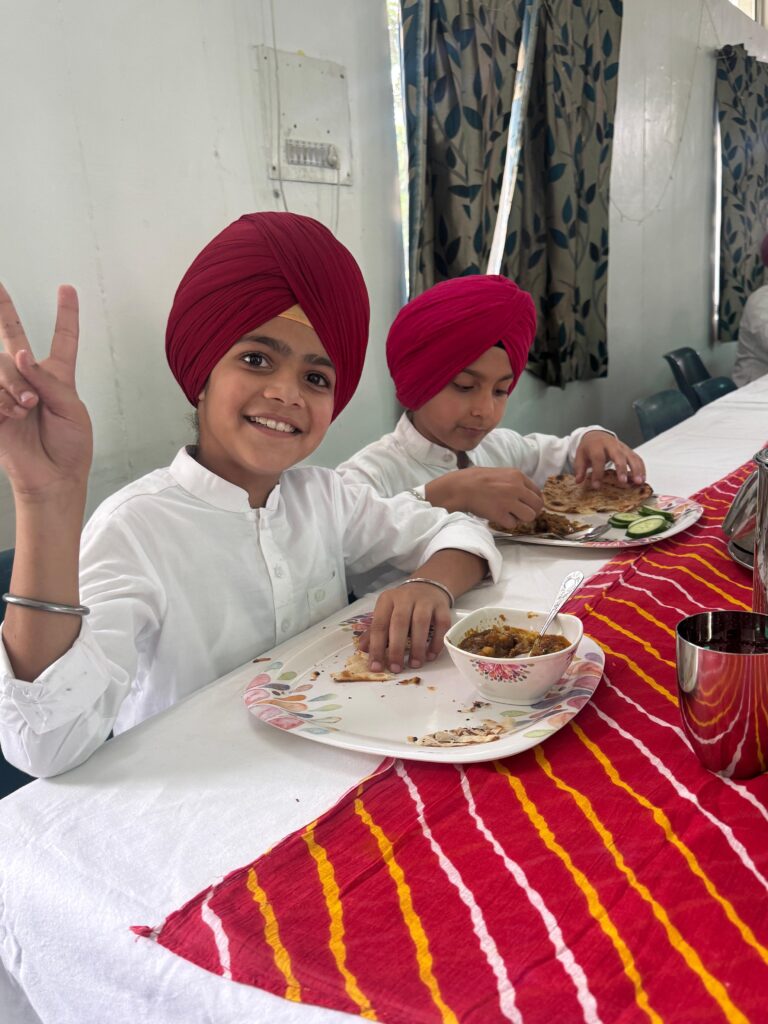
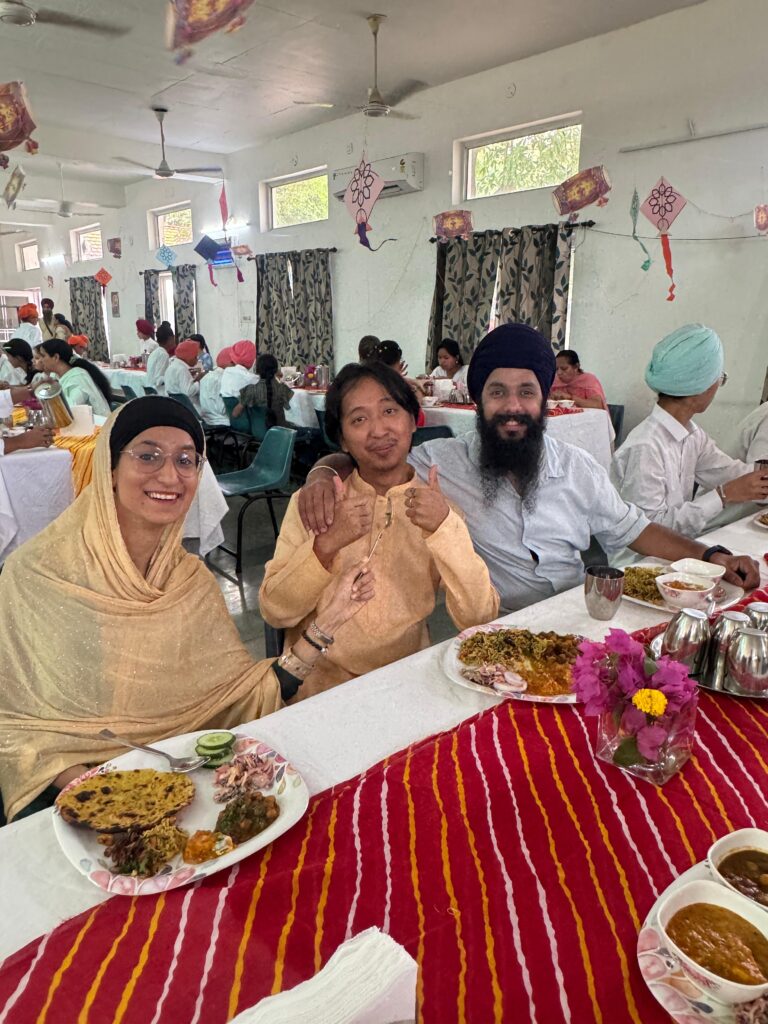
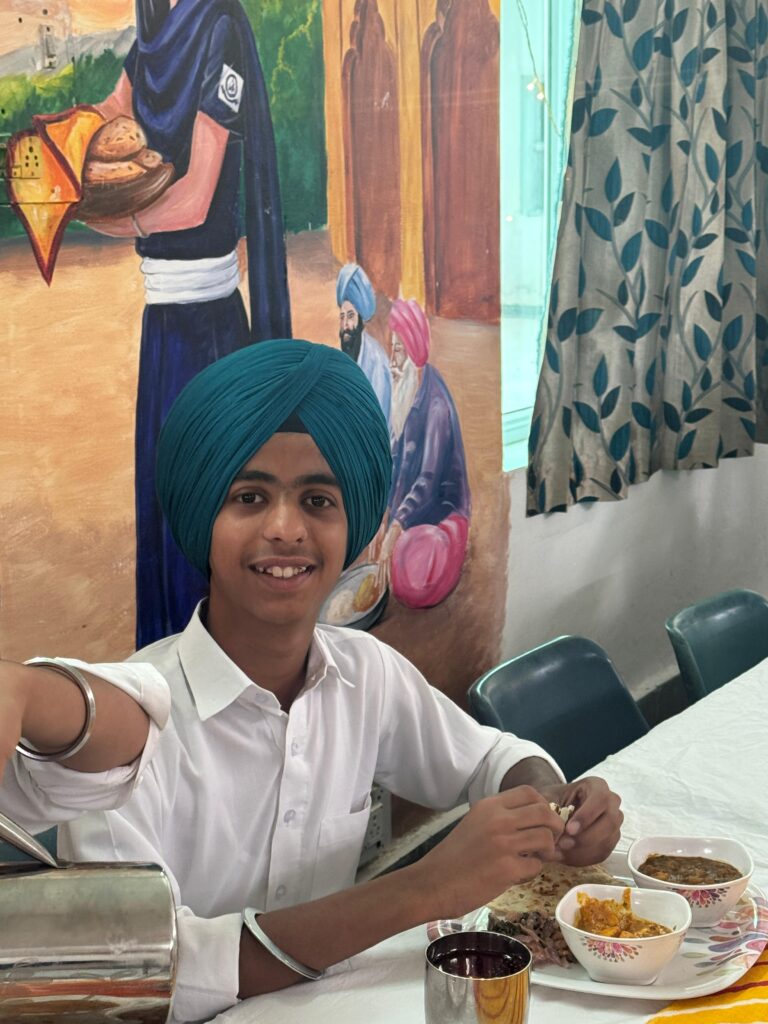
The day drew to a close with a warm lunch lovingly prepared by our teachers — a simple yet profound act of seva that brought every heart together. Students then took to the floor with an electrifying Bhangra performance, filling the campus with colour, rhythm, and pure Vaisakhi joy.
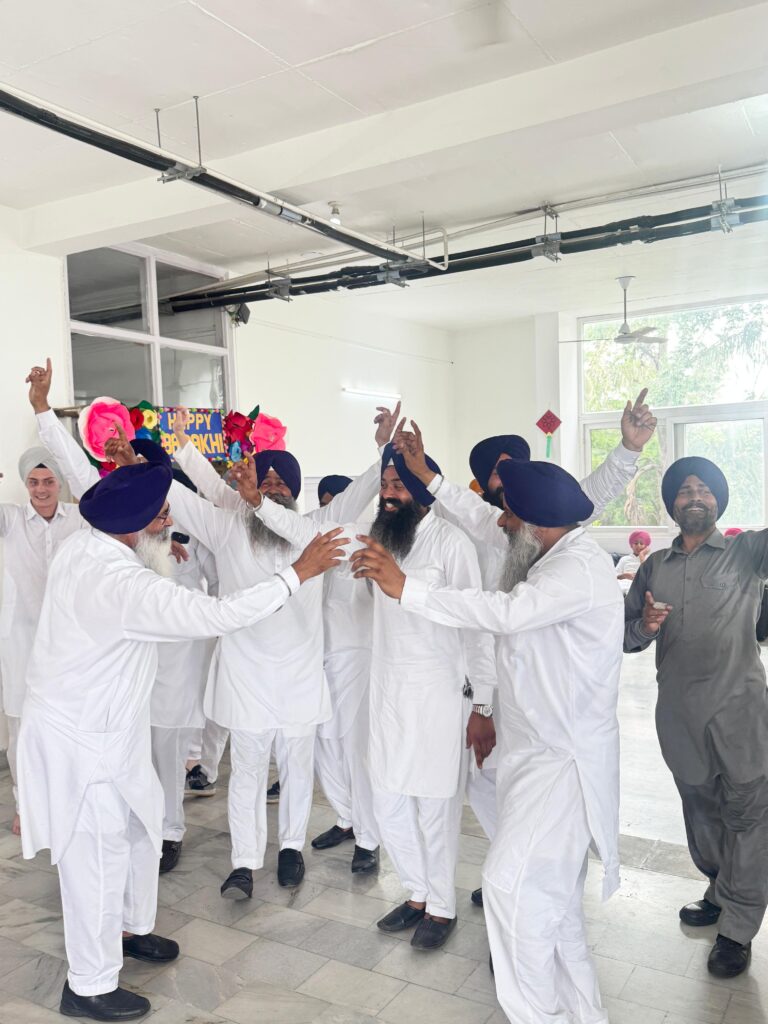
Gratitude from the Heart
Today was not just a celebration. It was a reflection of our soul as a community. Through prayer, appreciation, and togetherness, we were reminded of what makes Miri Piri Academy truly special — not its walls or grounds, but the people within them.
To every staff member, student, and supporter — thank you for being part of this journey.
Waheguru Ji Ka Khalsa, Waheguru Ji Ki Fateh.
Happy Vaisakhi!
]]>Nature as a Spiritual Teacher
Sri Guru Granth Sahib Ji is filled with references to plants, trees, flowers, and fruits. These are not simply descriptions of the natural world — they are powerful metaphors for life, humility, devotion, and the human relationship with the Creator. Gurbani uses these images to guide us toward qualities such as patience, resilience, gratitude, purity, and service. Rather than separating spirituality from daily life, it invites us to recognise the Creator’s wisdom in everything around us — including the plants beneath our feet and the trees above our heads.
Student Presentations
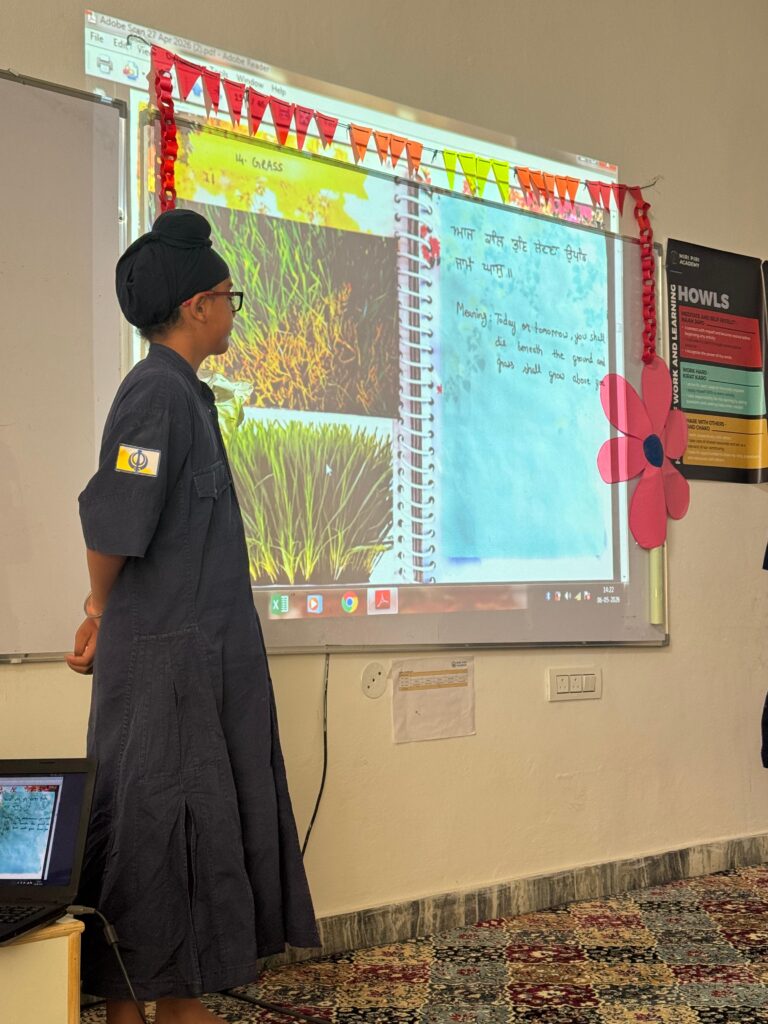
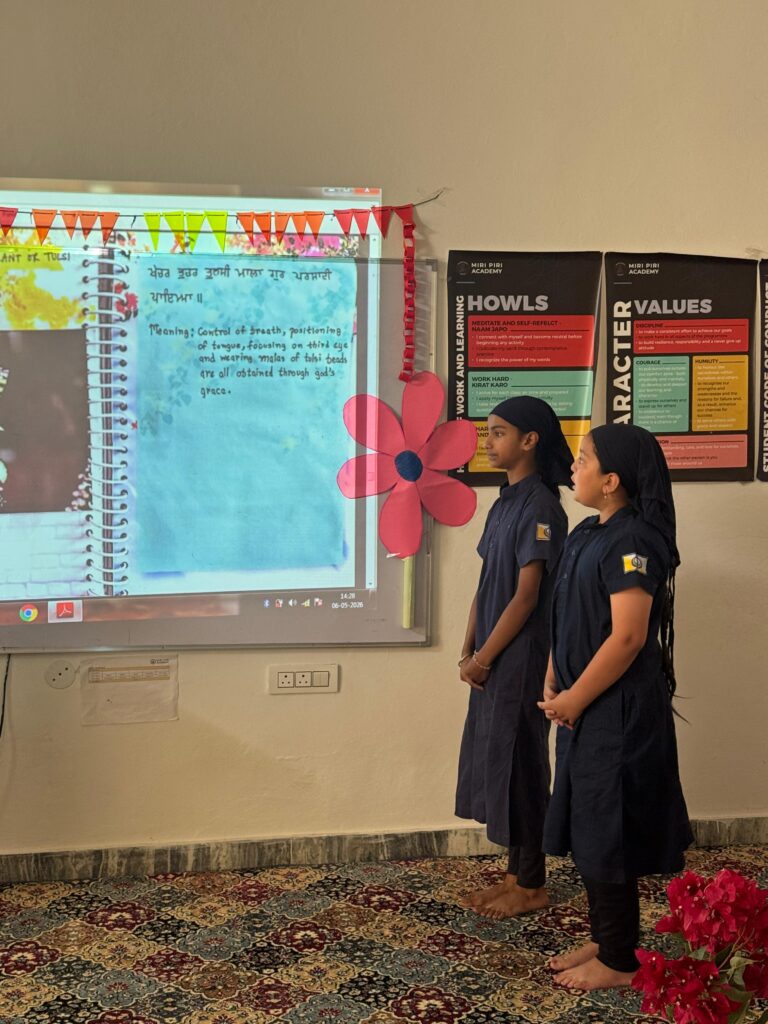
In a teacher-led initiative, the class worked together to curate a comprehensive study of 46 different plants mentioned in Gurbani. Following a structured framework, students helped assemble the findings by pairing Punjabi verses with English meanings and visual references. This collective effort culminated in a series of brief class presentations, where each student introduced a specific plant and its spiritual significance. This project served as a foundational exercise in public speaking and provided the students with a broad introduction to the natural imagery used throughout Gurbani.
A Handmade Class Book
A special highlight of the project was the creation of a handmade class book titled “Flora Imagery in Guru Granth Sahib.” Compiled from each student’s work, every page includes a picture of the plant, the Gurbani line in which it is mentioned, and a clear, student-friendly explanation of its meaning. The book reflects the students’ dedication and creativity, and serves as a beautiful reminder that learning can be both academic and spiritual.

Click here to view the book: Flora Imagery in Guru Granth Sahib
A Deeper Connection with Creation
Beyond the classroom, this project encouraged students to see the natural world as a sacred part of creation. Gurbani reminds us that all of nature exists within divine order — and that spirituality is not only found in reading scripture, but also in pausing to notice the world around us with awareness and gratitude. Through their presentations and handmade book, the Grade 5 students developed a richer relationship with nature and a deeper appreciation for the timeless wisdom within Sri Guru Granth Sahib Ji.
ਮੈਲਾਗਰ ਸੰਗੇਣ ਨਿੰਮੁ ਬਿਰਖ ਸਿ ਚੰਦਨਹ ॥
Meaning: The lowly neem tree, growing near the sandalwood tree, becomes just like the sandalwood tree.
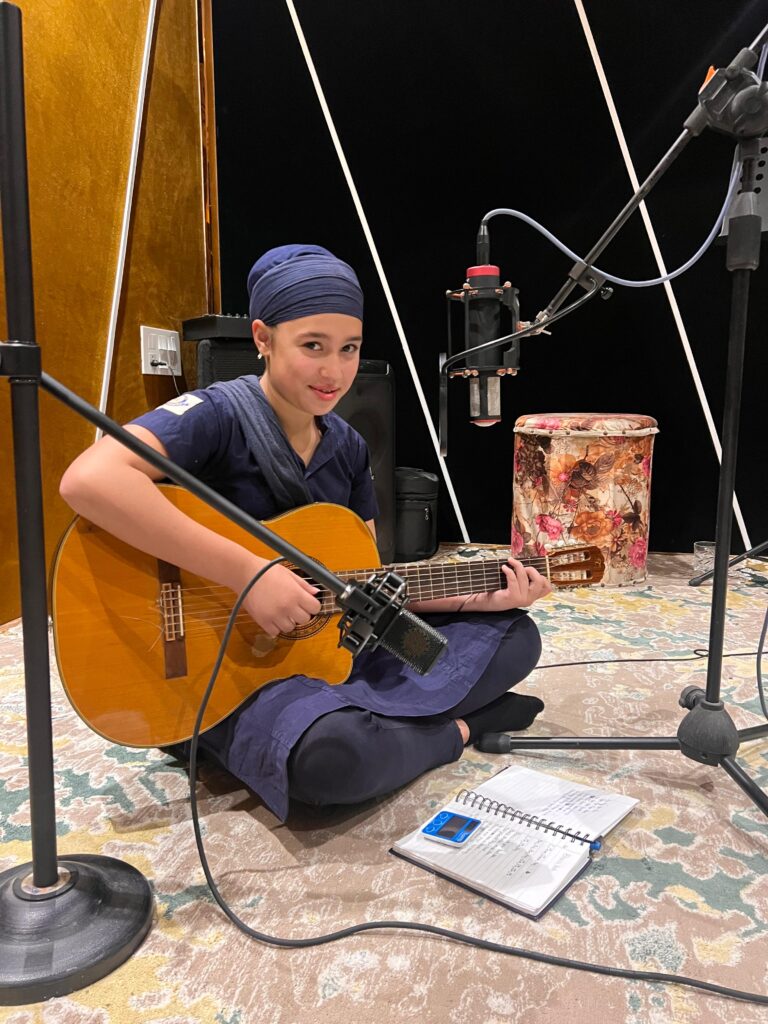
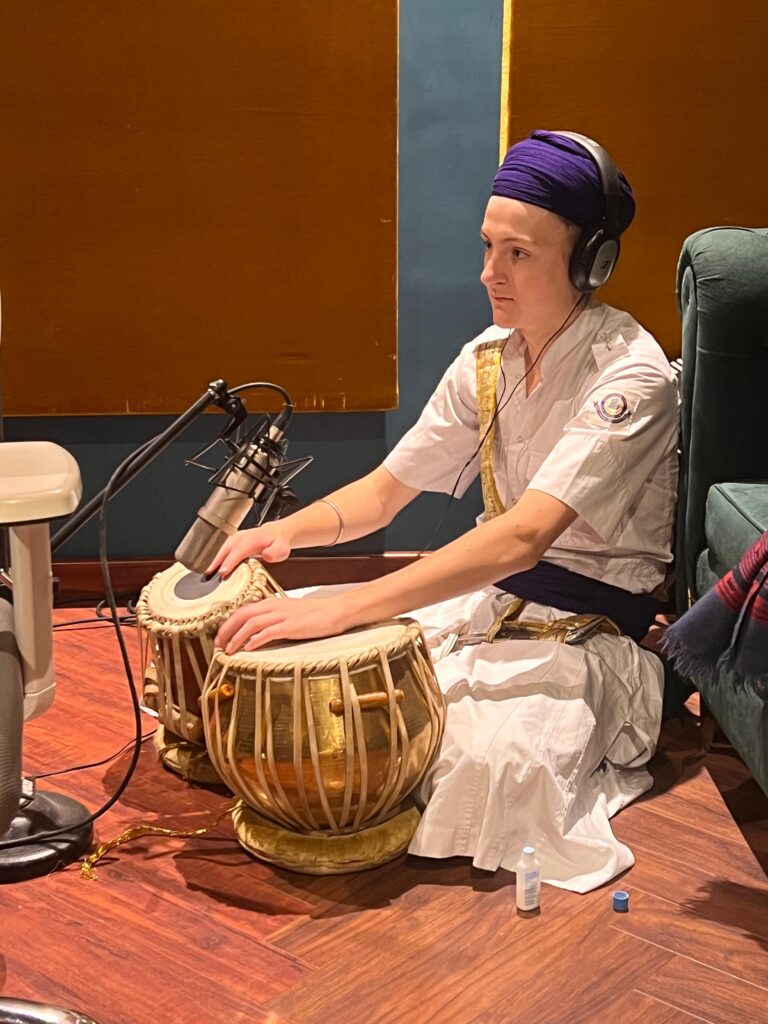
]]>Miri Piri Academy is proud to present a new recording of “Let There Be Peace,” performed by the students of MPA in Amritsar, India. This powerful track weaves together the sacred words of the 10th Sikh Guru, Guru Gobind Singh, with an English prayer by Yogi Bhajan ji for global harmony.
The Story of This Recording:
Yogi Bhajan once said, “Your strength lies in your smiles and your songs.” He held a vision for Miri Piri Academy to develop many musical Jethas (groups), to share our music and the vibration of the Naad with the world.
This specific meditation, “Let There Be Peace,” has a history of meeting global crisis with sound. In 2003, at the brink of the Iraq War, Matmandir Singh Khalsa asked Yogi Bhajan “what mantra should we chant to bring about peace in the world?” Yogi Bhajan sent back a fax with five English lines instructing Matamandir Singh to alternate these lines with Ajai Alai. This meditation, normally called “Meditation for Peace”, combines the Ek Achari Chand of Guru Gobind Singh (Ajai Alai) – which builds the Radiant Body and grants the power to overcome any obstacle – with an affirmation of peace for the individual and the world.
Now, in 2026, as the world faces the tensions of the Iran War, Matamandir Singh—now a teacher at MPA—felt a call to bring this vibration alive once more. Within weeks of introducing the song to the students, this recording was born.
A Vision Realized:
At the heart of MPA is the principle of the Shabd Guru—the Sound Current as our teacher. This recording was made possible through the vision of Japjeet Kaur Khalsa, Head of School. With a rare combination of loving neutrality, humble seva, and the “sharpness of the sword” required to lead, she held the space for the students to find their voices. Without her unwavering support, this project would not have come to being.
How to Listen:
The video features a meditative loop of the Sri Harimandir Sahib (The Golden Temple), providing a visual anchor for your practice. We invite you to listen, chant along, and let the peace begin within you.
Musical Credits:
Performed by: Students of Miri Piri Academy
Composer (Music): Matamandir Singh Khalsa
Recorded at: The Music Masters
Graphics: Sukhdev Kaur Khalsa
Visuals: Harimandir Sahib (The Golden Temple) in Amritsar
Lyric Credits:
Ajai Alai: Written by Guru Gobind Singh Ji (from Jaap Sahib)
Let There Be Peace: Words by Yogi Bhajan (Siri Singh Sahib Bhai Sahib Harbhajan Singh Khalsa Yogi ji)
Special thanks to:
Matamandir Singh Khalsa (Vocals & Guitar Direction)
Ustad Narinder Singh (Indian Classical Vocals)
Ustad Murli Manohar (Tabla Teacher)
Japjeet Kaur Khalsa (MPA Head of School)
Lyrics & Meaning:
Let there be Peace
Let there be Peace of Mind
Let there be Peace with Mankind
Let there be Peace of the States
Let the World dwell within the Force of Peace
Ajai Alai – Invincible, Indestructible.
Abhai Abai – Fearless, Unchanging.
Abhoo Ajoo – Unborn. Beyond life birth & death.
Anaas Akaas – Imperishable. Within everything.
Agunj Abhunj – Unbreakable, Indivisible
Alukh Abhukh – Unseen, Free from wants.
Akaal Dyaal – Immortal, Kind.
Alaykh Abhayk – Unimaginable. Formless
Anaam Akaam – Nameless, Desireless.
Agaahaa Adhaahaa – Unfathomable, Undamageable.
Anaathay Pramaathay – Without a master. Destroyer of all.
Ajonee Amonee – Beyond birth & death. Beyond silence.
Na Raagay Na Rangay – More than love itself. Beyond all colours.
Na Roopay Na Raykhay – Formless. Beyond chakras.
Akaramung Abharamung – Beyond karma, Beyond doubt.
Aganjay Alaykhay – Unconquerable, Unimaginable.

About Miri Piri Academy:
Miri Piri Academy is located in the sacred city of Amritsar, India, the heart of Sikh Dharma, and the home of Siri Harmandir Sahib (Golden Temple) that was brought to life by Guru Ram Das Sahib. We have 13 acres of beautiful land that hosts day and boarding school students, as well as adult courses and community events. Just 9 km from Siri Harmandir Sahib, experiencing the Golden Temple fulfills the longing of a lifetime for many Sikhs and Kundalini Yogis.
Follow Us:
Instagram: @mpaspirit
Facebook: facebook.com/Miri.Piri.Academy
Website: https://miripiriacademy.org
]]>
Exploring Injustice Through Literature and History
In English, students studied To Kill a Mockingbird, a novel that examines racial injustice, moral courage, and the consequences of remaining silent. Through close analysis of characters and events, learners explored how empathy without action can allow injustice to continue.
In History, students studied the Revolt of 1857, understanding it as an early resistance against colonial rule. Together, these subjects helped students recognise how injustice is challenged when individuals and communities choose to act rather than remain passive.
Learning Beyond the Classroom
To deepen their understanding, students visited Jallianwala Bagh, a place that stands as a powerful reminder of colonial violence and the dangers of unchecked authority. While engaging with this historical site, students explored the injustice inflicted on innocent civilians and reflected on how many leaders and citizens stood up against this brutality. The visit encouraged students to reflect on how fear, silence, and lack of action can lead to lasting consequences, making the guiding question more immediate and personal.
TED Style Talks: Student Voices on Injustice
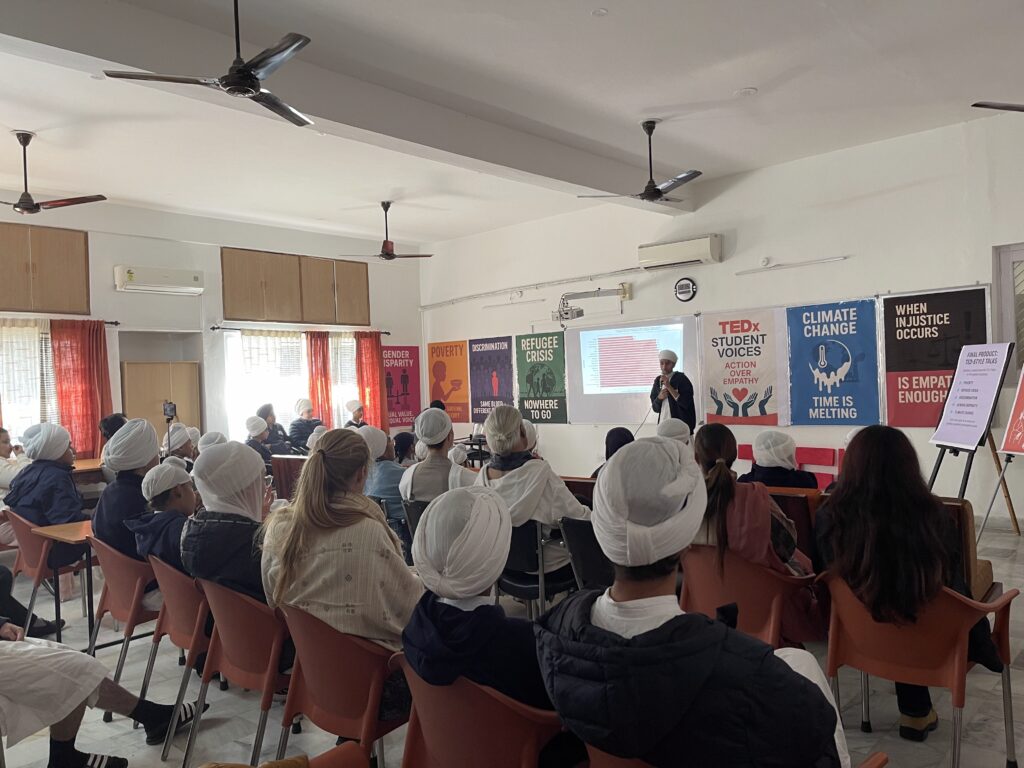
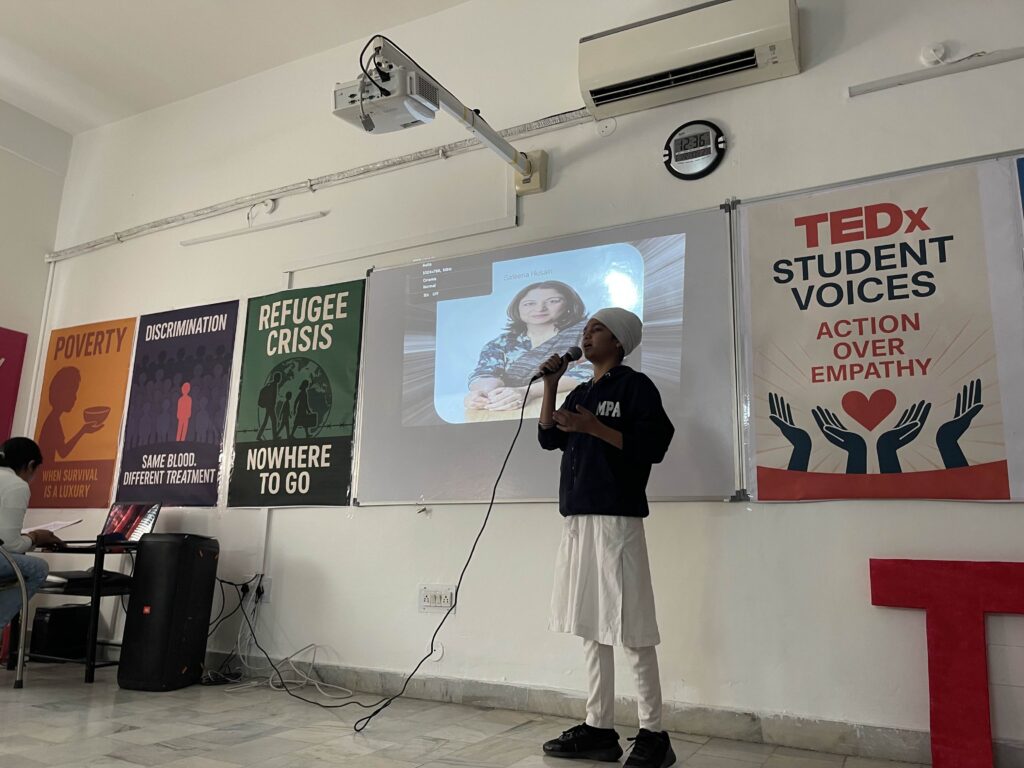
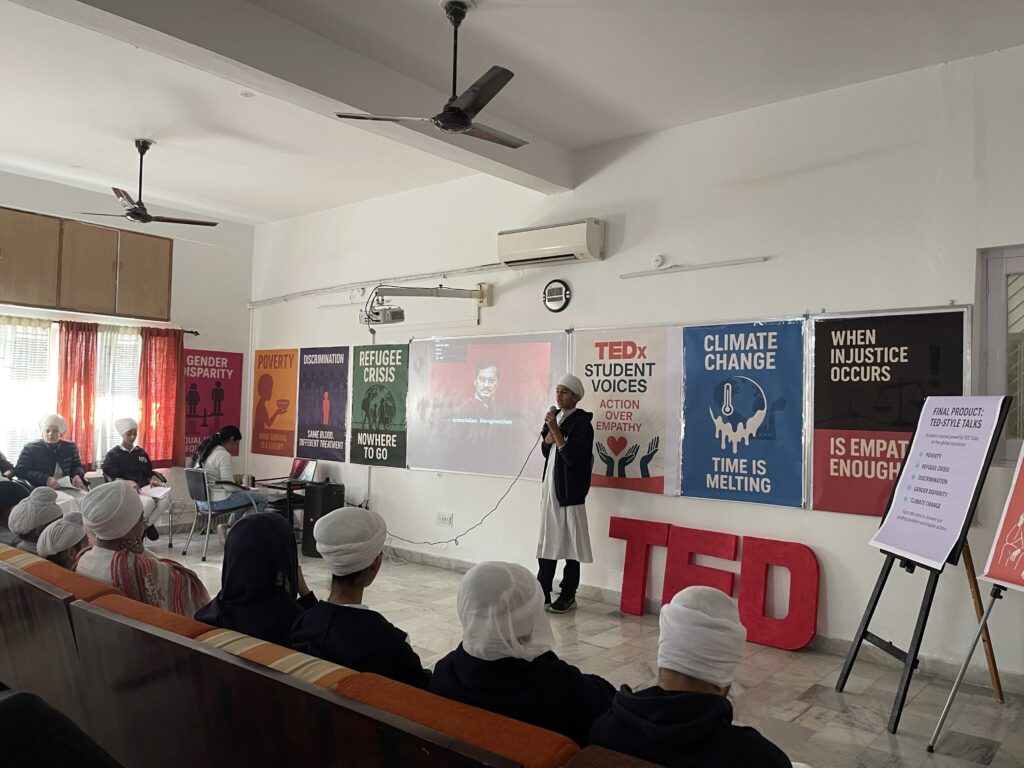
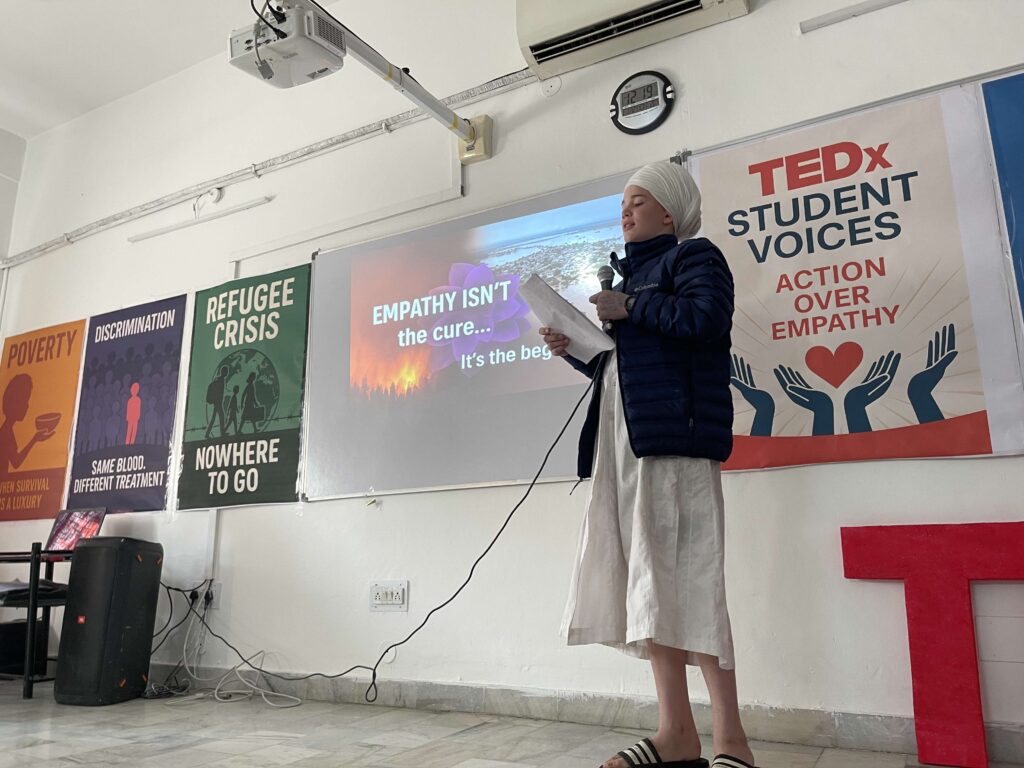
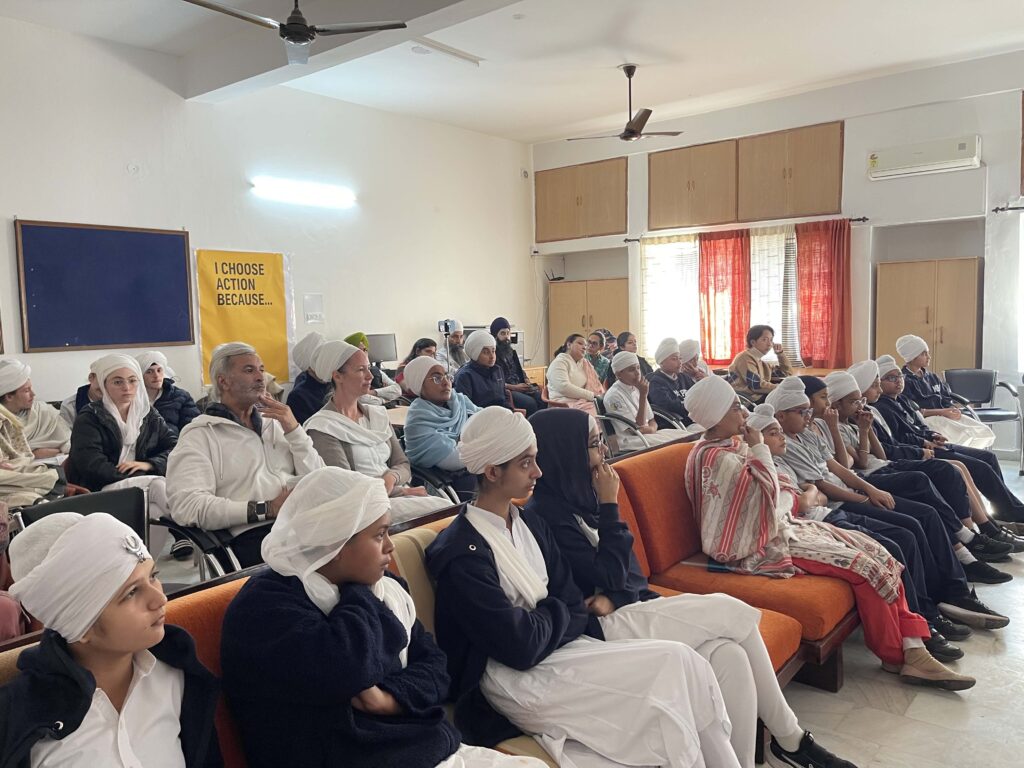
As the final product of the expedition, students presented TED style talks that addressed contemporary forms of injustice. Each student explored a different issue, using graphs, images, data, and real-world examples to show that while empathy is important, it is action that creates change. The session was confidently anchored by Ekamnoor, who introduced the theme, speakers, and purpose of the talks.
Jaisraj opened the talks by examining the global refugee crisis, questioning whether sympathy for displaced populations is meaningful without policy change and support. Navdeep addressed discrimination, exposing how deeply ingrained biases continue to marginalise communities despite widespread awareness. Jaisukhbir spoke about climate change, challenging the audience to consider whether concern alone can protect the planet without decisive action.
Ekampreet explored poverty, illustrating how structural inequality persists when empathy is not followed by intervention. Ekamnoor presented a thought-provoking talk on gender inequality, highlighting those who transformed empathy into advocacy and reform.
Across all talks, students highlighted people who moved beyond empathy and demonstrated the courage to act.
From Reflection to Responsibility
The session concluded with Ekampreet bringing together the key ideas and returning to the guiding question. To involve the audience, the expedition ended with a reflective activity where everyone responded to the prompt: “I choose action because…” Responses were shared on a common display, reinforcing the message that awareness must lead to responsibility.
A Meaningful Learning Journey
Get Up, Stand Up was not just about acquiring knowledge. It was about encouraging students to question, reflect, and recognise their role in responding to injustice. Through literature, history, discussion, and presentation, learners came to understand that while empathy is important, lasting change requires the courage to act.
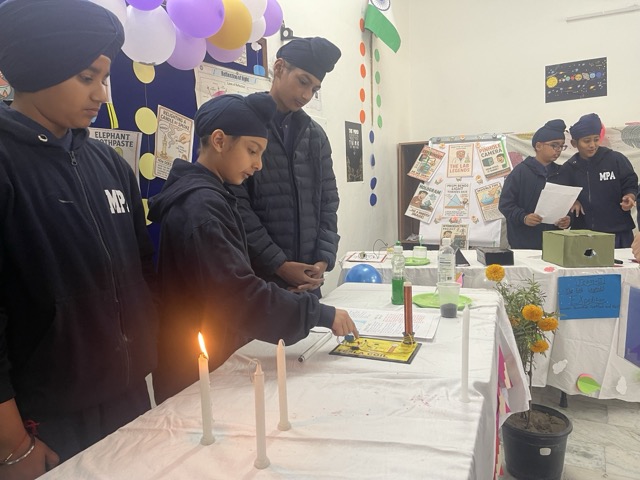
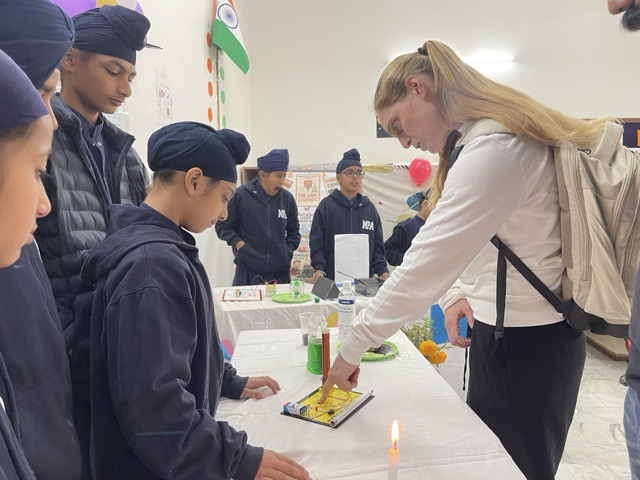
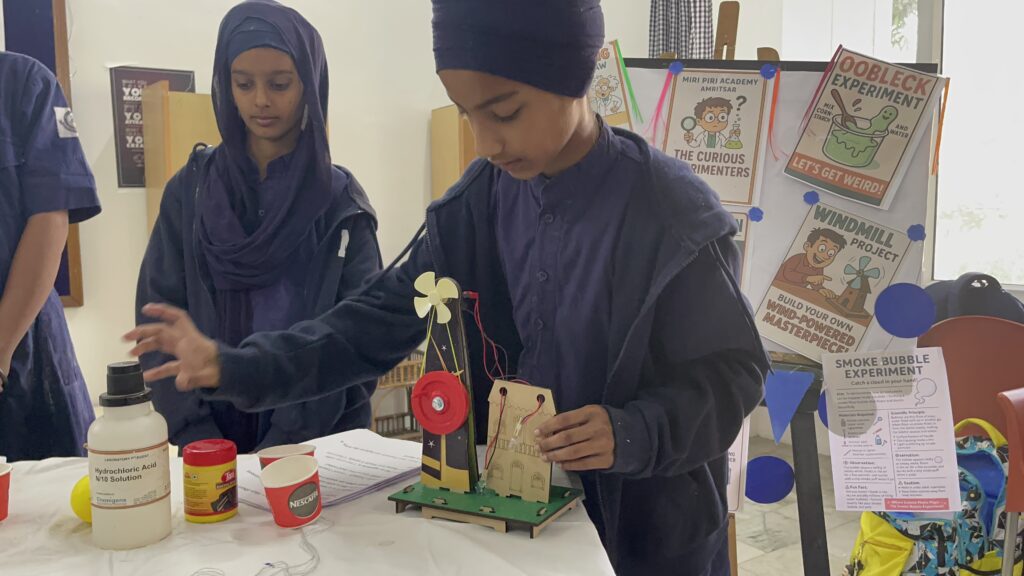
]]>The event featured a wide range of innovative projects and experiments covering diverse scientific themes such as Electricity, Energy, Forces, States of Matter, and Environmental Awareness. Among the most captivating exhibits were the Oobleck demonstration, showcasing a fascinating non-Newtonian fluid that behaves both as a solid and a liquid, and the Windmill project, emphasizing the importance of renewable sources of energy.
Students also demonstrated simple yet thought-provoking experiments like Smoke Re-ignition, Lemon Secret Message, Prism Bending of Light, and several other creative ideas that reflected their enthusiasm for hands-on learning. Each project was presented with confidence, and the students’ explanations highlighted their deep understanding of scientific concepts and curiosity to explore further.
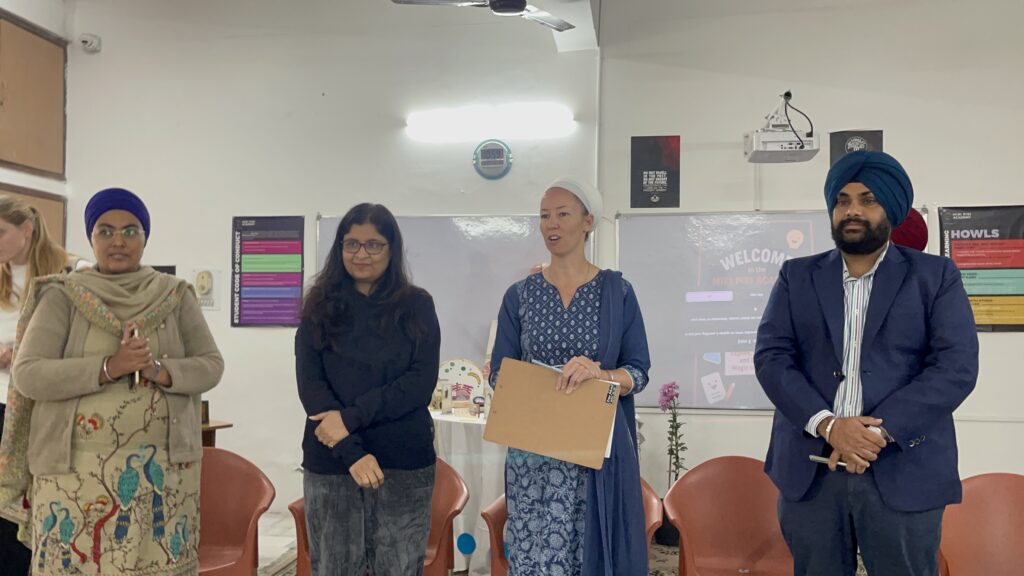
The exhibition hall was vibrant with energy as students explained their models to teachers, parents, and visitors. The faculty members appreciated the efforts and teamwork of the students, emphasizing how such experiential learning activities help develop scientific temper, analytical skills, and problem-solving abilities.
The event concluded with words of encouragement from the school authorities, who praised the dedication and innovation displayed by the participants. The Science Exhibition truly embodied the vision of Miri Piri Academy — nurturing inquisitive minds and inspiring the scientists and innovators of tomorrow.


“Science is a beautiful gift to humanity; we should not distort it.” — Dr. A.P.J. Abdul Kalam
The exhibition served as a reminder that curiosity, creativity, and the courage to question are the true foundations of scientific progress.
]]>Joining the Nagar Kirtan Honoring Guru Tegh Bahadur Ji’s Martyrdom
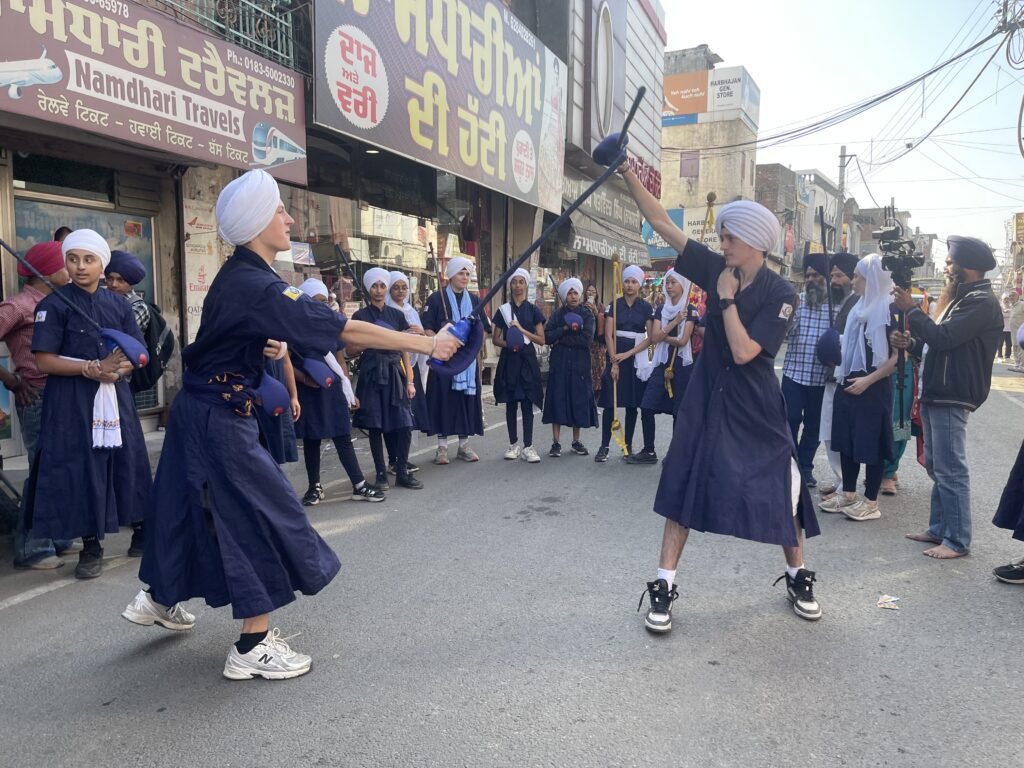
Our students had the rare and deeply meaningful opportunity to join a Nagar Kirtan held in remembrance of Guru Tegh Bahadur Ji’s Shaheedi, a powerful tribute to the Guru’s courage, sacrifice, and unwavering stand for the freedom of all people.
This remarkable Nagar Kirtan began in Assam and is traveling all the way to Anandpur Sahib, gathering sangats from across India in devotion and unity. We were honored to join the procession during its stop at Chheharta Sahib Gurdwara, where traditional weapons were housed for part of the journey before continuing onward. Their presence served as a powerful reminder of the Guru’s fearless spirit and his protection of those facing injustice.
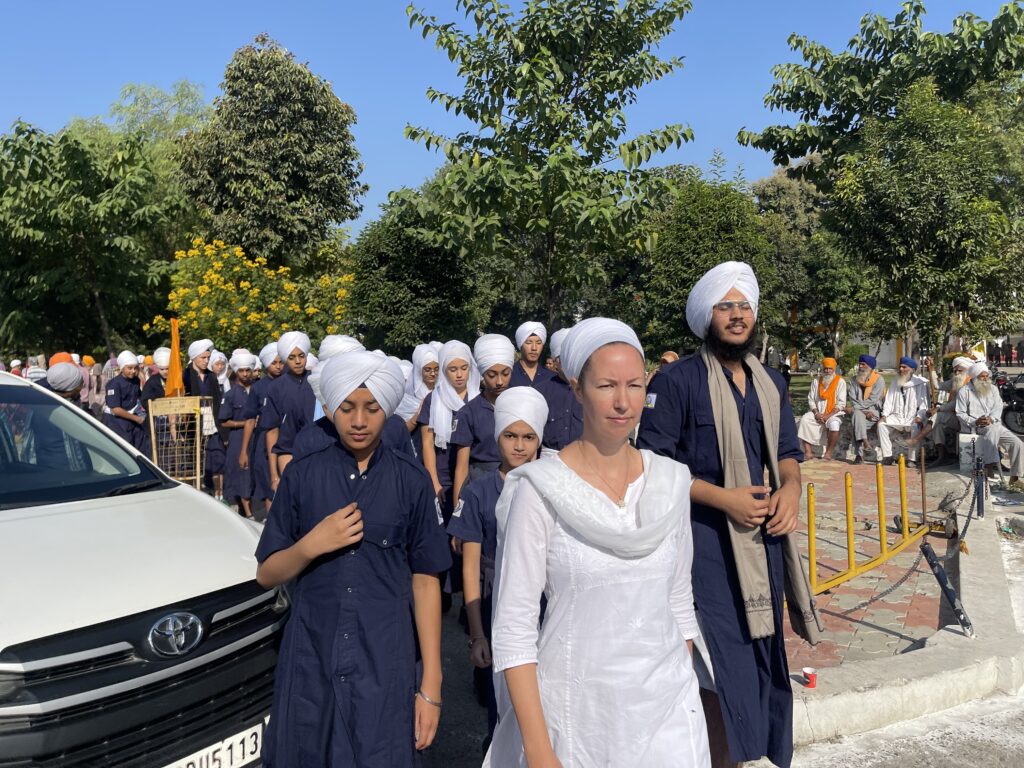
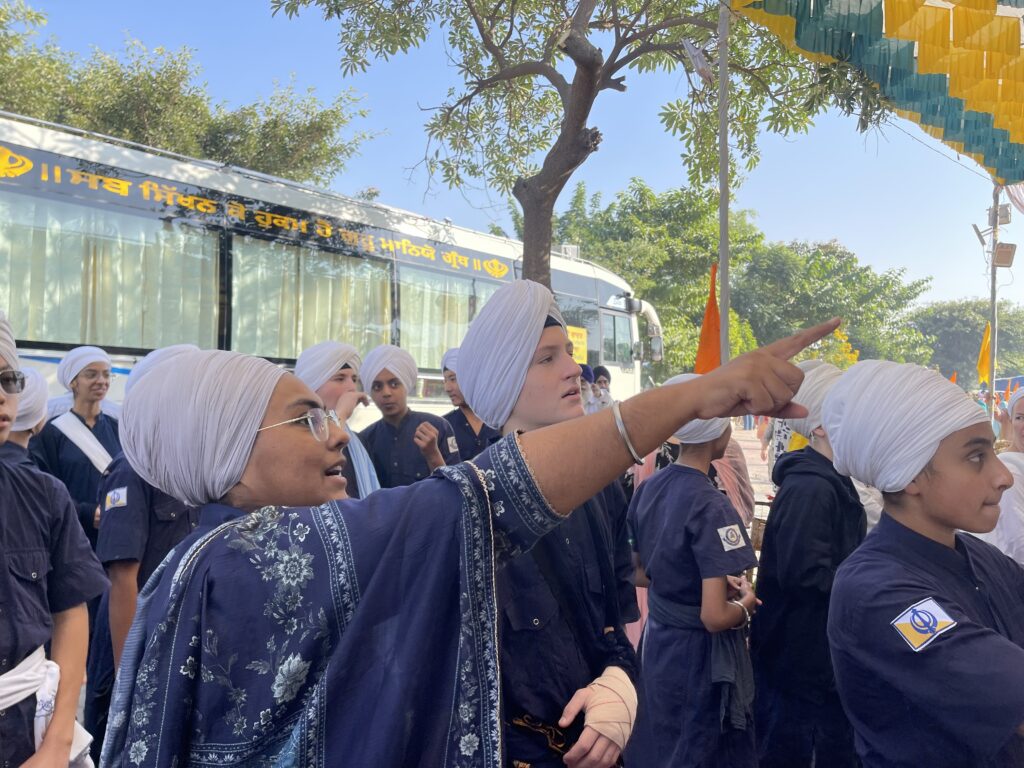
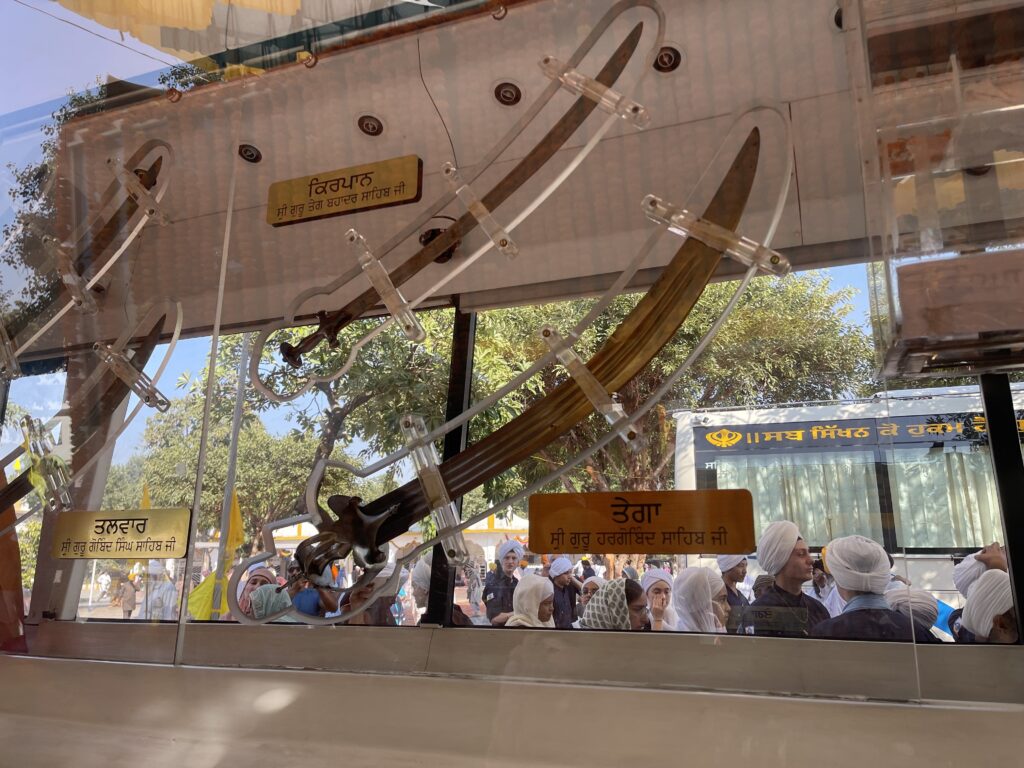
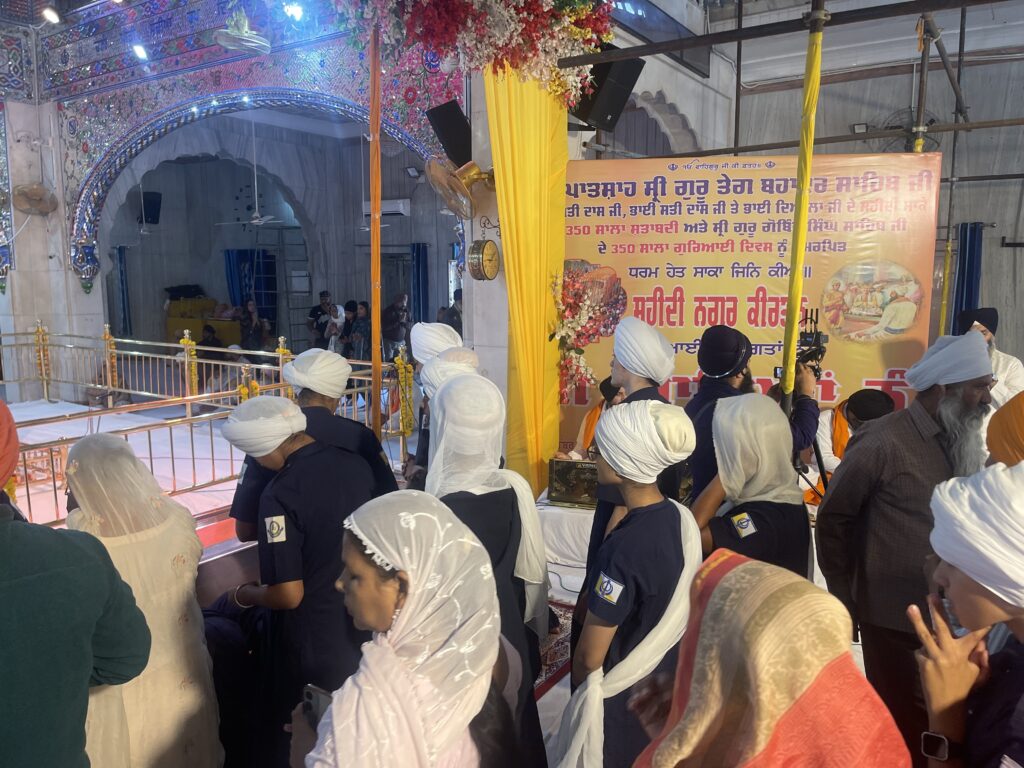
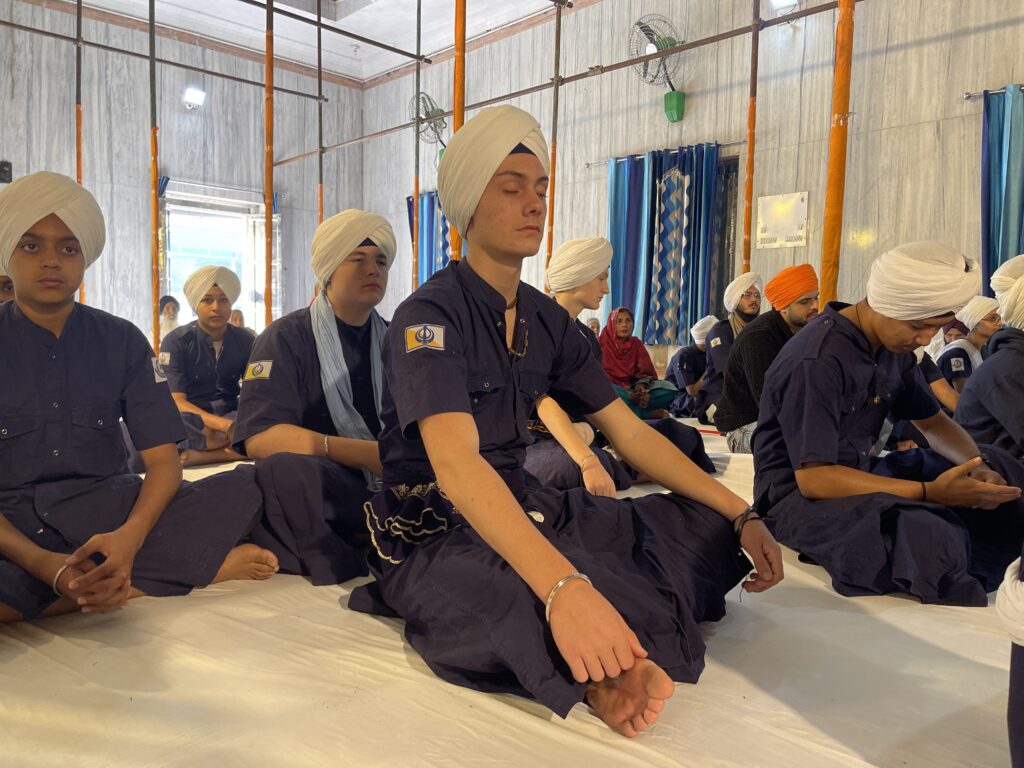
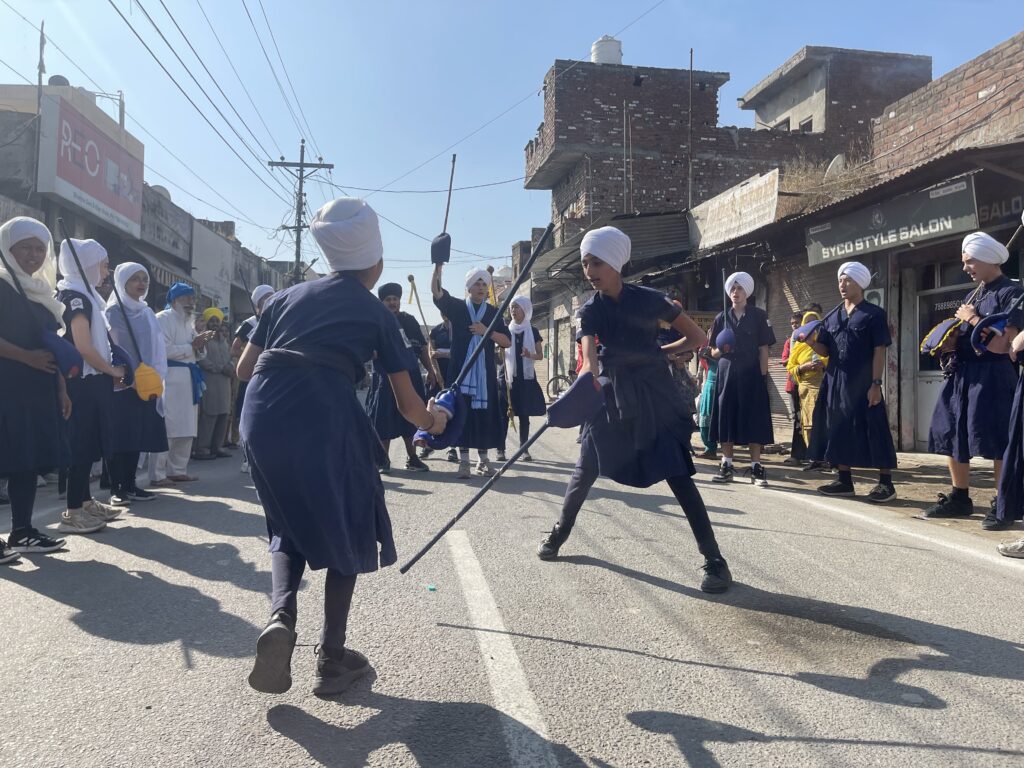
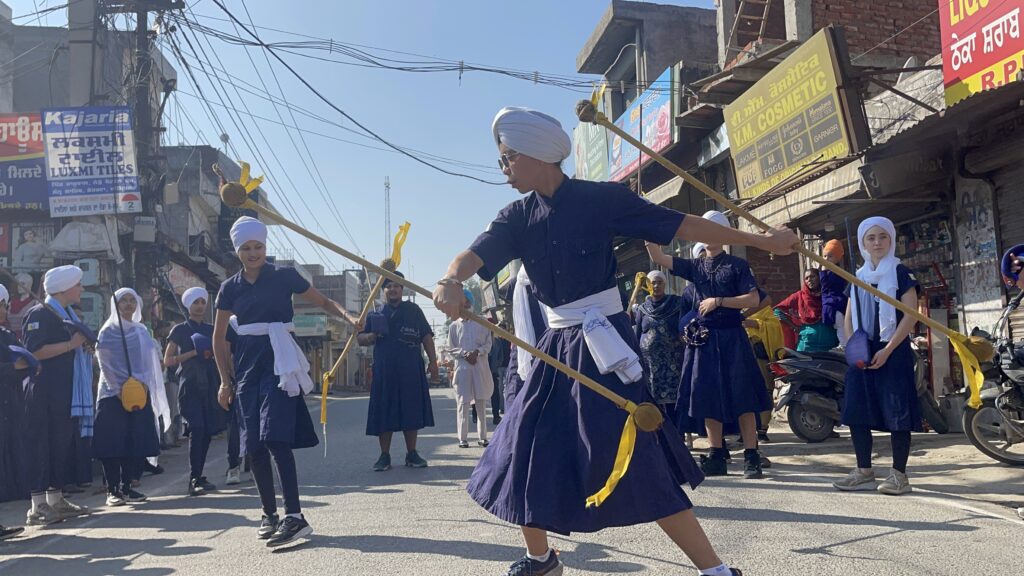
Our students participated wholeheartedly—walking in the procession, performing Gatka, and sharing their Chardi Kala spirit with the sangat. The sound of Gurbani, the energy of the sangat, and the spirit of service created a moving experience that brought Sikh history to life in a profound way.
This was more than an event—it was a living connection to the legacy of Guru Tegh Bahadur Ji, and a moment of gratitude for our students to stand with the sangat in remembrance, strength, and unity.
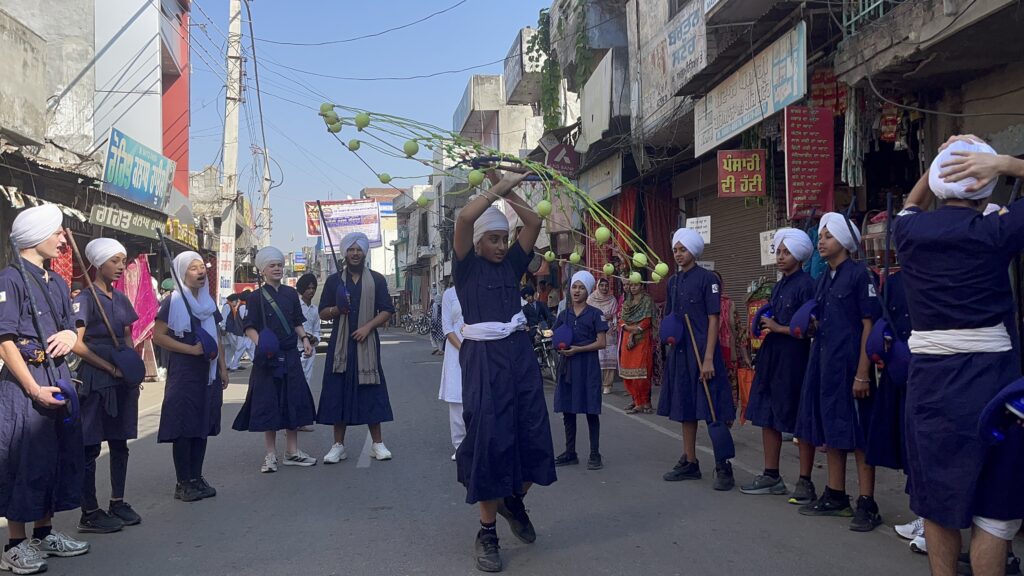
~We are truly thankful to have been part of this sacred and historic journey.~
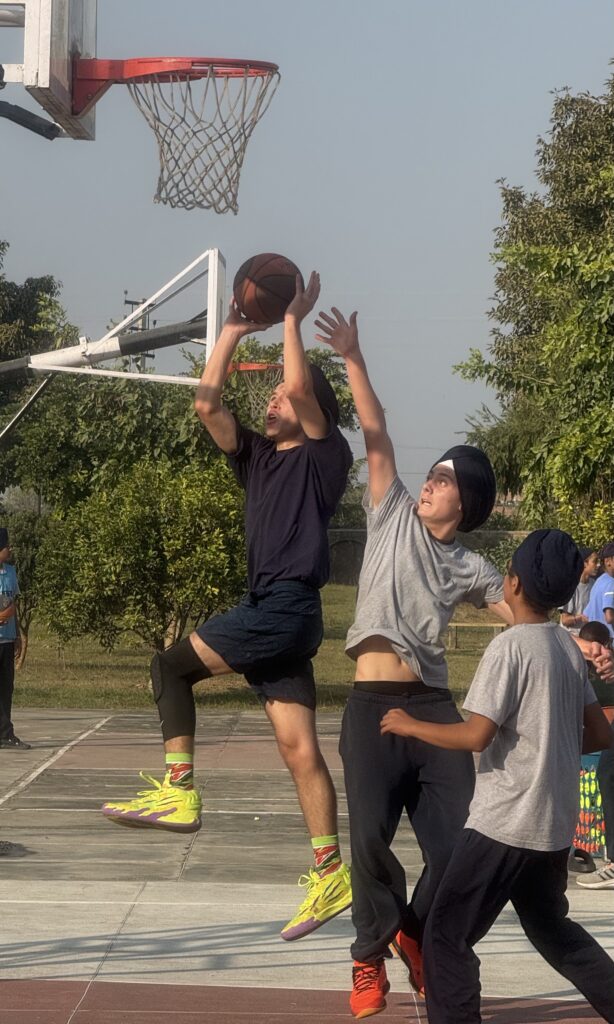
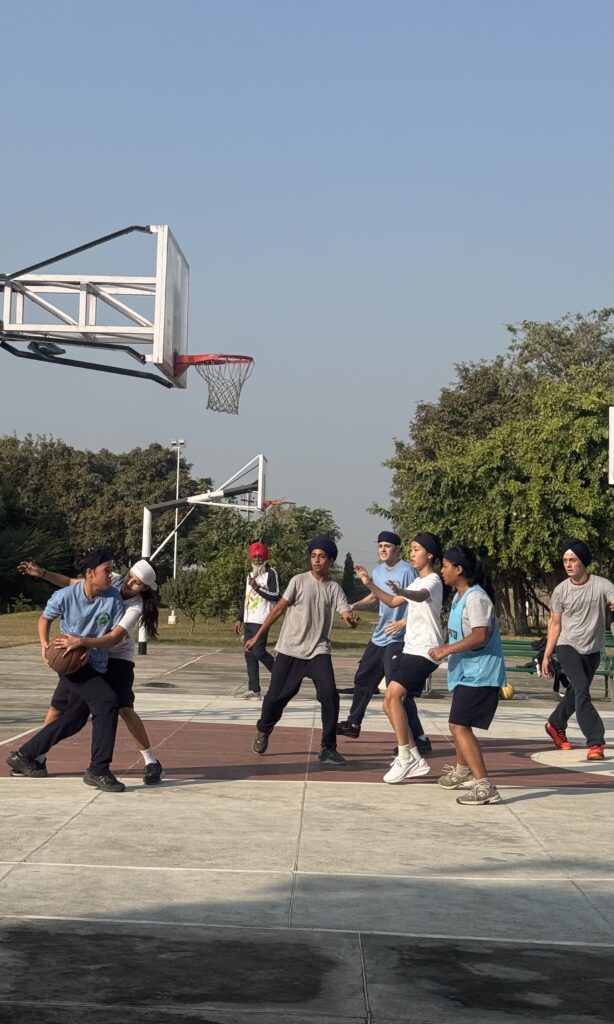
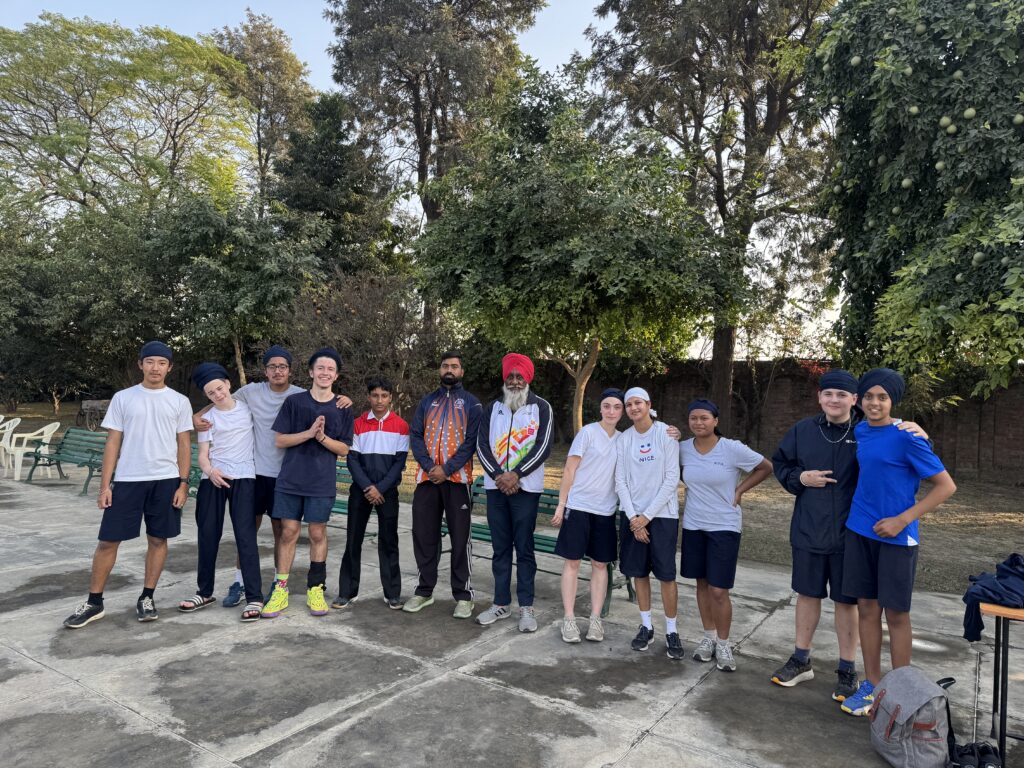
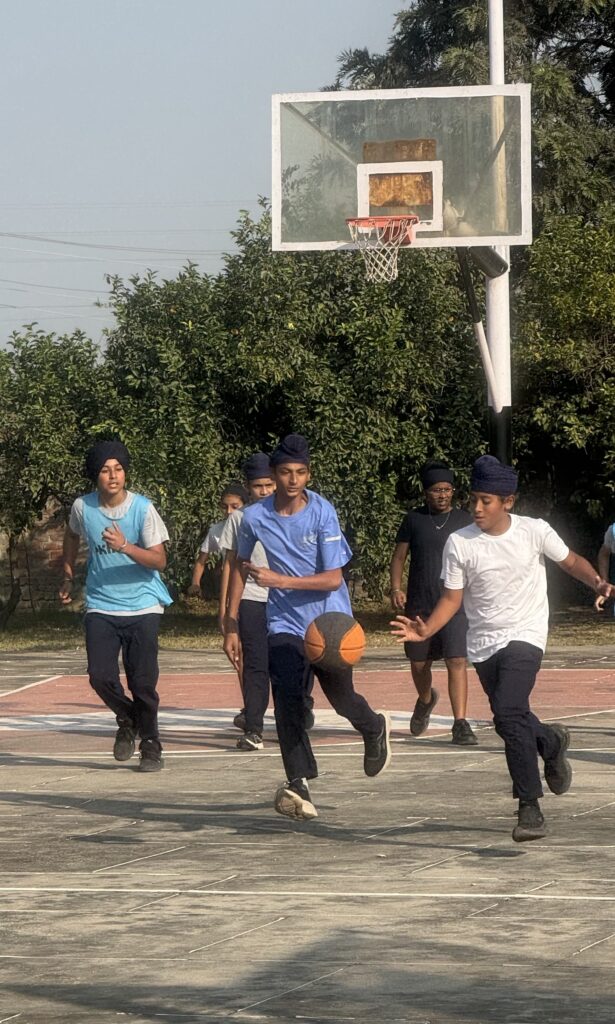
]]>At MPA, physical education is a daily practice—and we proudly cultivate a competitive edge and a true warrior spirit. We recently held an exciting Basketball Competition, and here are some of the highlights.
Skills Spotlight: Speed, Control, Precision
The Basketball Competition began with an impressive start as Grade 5–8 White House scored 18 free throws, setting a strong tone for the day. In the Grade 9–11 division, both Houses matched each other shot for shot, ending in a well-earned tie that highlighted their equal skill and focus under pressure.
The excitement continued during the Skills Competition, where students impressed the crowd with their speed, coordination, and control. First place performances came from Ekampreet Kaur in the 5–8 Girls division, Jasraj Singh in the 5–8 Boys division, Armandeep Kaur in the 9–11 Girls division, and Teg Ved Singh in the 9–11 Boys division. Ekampreet Kaur, Sofia, and Gurudain Singh each added one point to their teams for nailing their lay-ups.
Three-Point Thunder: Emanjot’s Eight
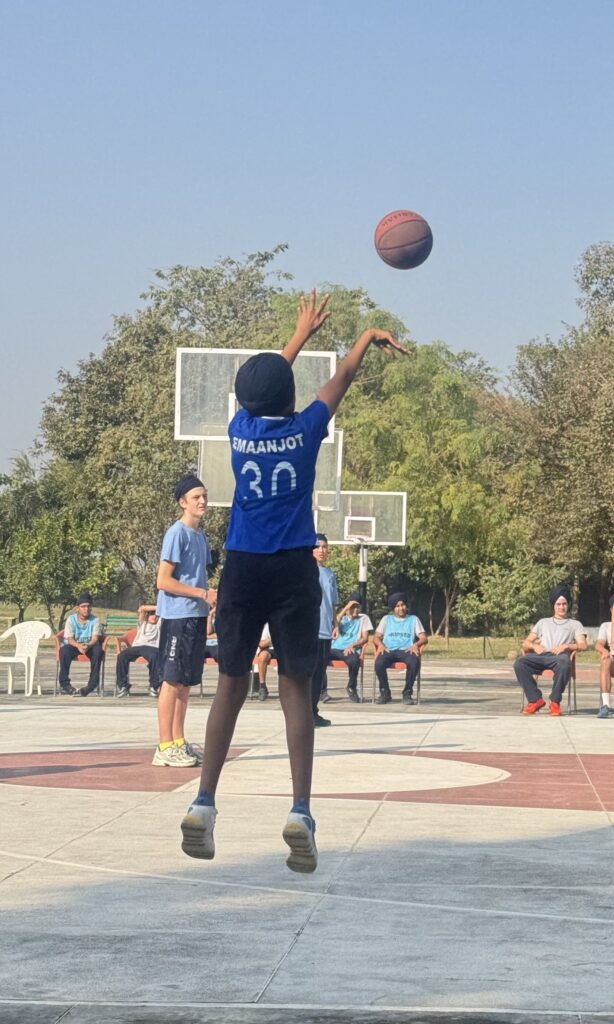
One of the most electrifying moments of the entire competition arrived during the 3-Point shootout skill showcase, when Emanjot Singh stunned everyone by sinking eight 3-pointers in one minute.

Blue House Victory: A Very Close Game
Moving into the full-court games, Blue House claimed first place in both the Grade 5–8 and Grade 9–11 matchups, showcasing strong coordination on both ends of the court. The senior game ended in dramatic fashion, with Blue House narrowly defeating White House 25–24 after thirty minutes of intense, fast-paced action.
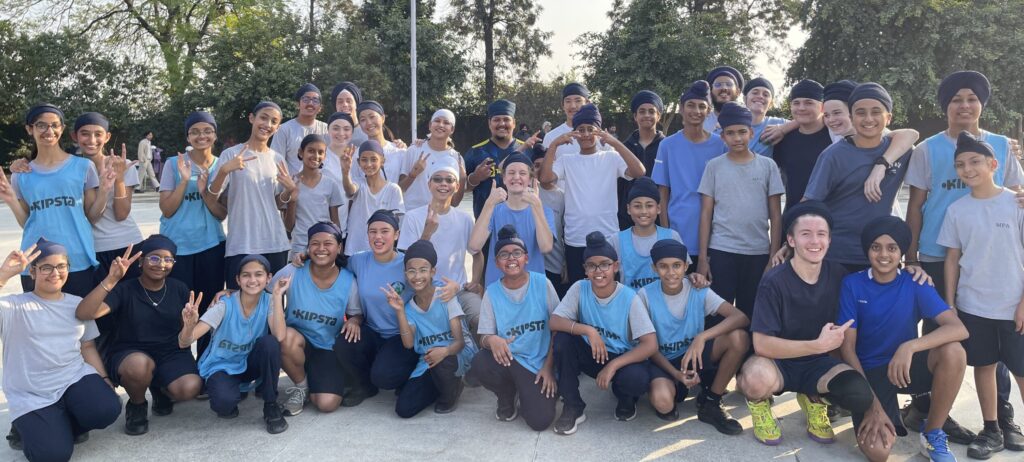
Overall, the competition was filled with spirited play, memorable moments, and outstanding contributions from students across all divisions, making it a truly exciting event for everyone involved.
~Congratulations to all athletes and Houses—your skill, sportsmanship, and team spirit made this tournament unforgettable. See you back on the court for the next showdown!~


Explore the Spiritual Warrior’s Journey tracing the steps of Guru Gobind Singh, Guru Hargobind and Baba Deep Singh, as we reflect on the threefold path of the warrior through Amritsar, Anandpur Sahib, and Takht Damdama Sahib


COURSE OVERVIEW
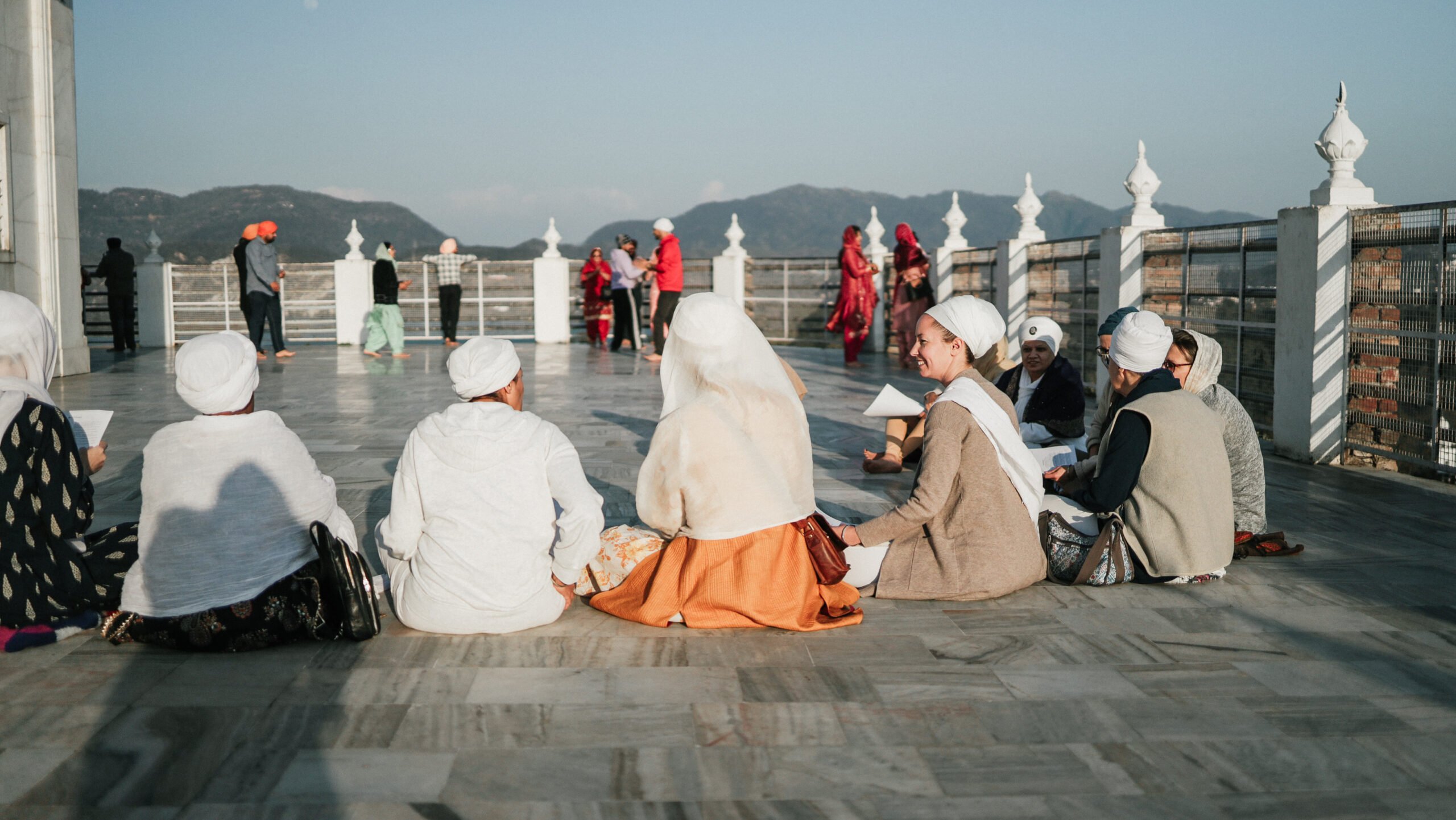
This 10-day immersive journey through key historical places in Punjab brings to life the radiance and depth of the Warrior Saint tradition of Sikh Dharma. Guided by experienced teachers of Miri Piri Academy, participants will travel through sacred landscapes of Amritsar, Anandpur Sahib, and Takht Damdama Sahib, tracing the footsteps of Guru Hargobind Sahib, Guru Gobind Singh Ji, Baba Deep Singh Ji, and the saint-scholars who embodied both spiritual devotion and fearless action.
Through daily Kundalini Yoga, mantra, Gurbani study, meditation, music, seva, and storytelling, you will experience the two swords of Miri and Piri—the balance between worldly strength and divine consciousness.
Open to seekers of all backgrounds, this course offers both spiritual awakening and practical discipline rooted in the living legacy of the Khalsa. Through a combination of lectures, visits to historical Gurdwaras, and immersive meditative experiences, participants gain a deeper understanding of Sikh philosophy and practice.
Alongside this profound learning, the course offers the warmth of community, nourishing food, and the company of the international Sangat, creating an enriching and unforgettable journey of spiritual growth and discovery.
“Sant sipahi, saint and soldier is that person who will recognize the Creator is the cause of this creation. And he is doubtless about it, he knows and knowingly knows beyond doubt, in every moment of his life and that is very important. It is important for some of us to realize love in reality.”
– Siri Singh Sahib


The MPA Experience
DATES
| Day | Schedule | Night |
|---|---|---|
| Friday, Oct 2 | Arrival Day to Amritsar Airport | Miri Piri Academy, Amritsar |
| Saturday, Oct 3 | Visit Golden Temple Afternoon shopping | Miri Piri Academy, Amritsar |
| Sunday, Oct 4 | Travel to Anandpur Sahib Walk to Keshgarh Sahib | Dashmesh Sadan, Anandpur Sahib |
| Tuesday, | Course (see below for details) | Dashmesh Sadan, Anandpur Sahib |
| Tuesday, Oct 6 | Course | Dashmesh Sadan, Anandpur Sahib |
| Wednesday, Oct 7 | Course | Dashmesh Sadan, Anandpur Sahib |
| Thursday, Oct 8 | Morning travel to Takht Sri Damdama Sahib | Niwas at Sri Damdama Sahib |
| Friday, Oct 9 | Takht Sri Damdama Sahib and Muktia Sahib, Drive to MPA | Miri Piri Academy, Amritsar |
| Saturday, Oct 10 | Join MPA for Seva at the Golden Temple Hall bazaar Shopping | Miri Piri Academy, Amritsar |
| Sunday, Oct 11 | Departures |
LOCATIONS
Amritsar – Anandpur Sahib – Damdama Sahib – Sri Muktsar Sahib
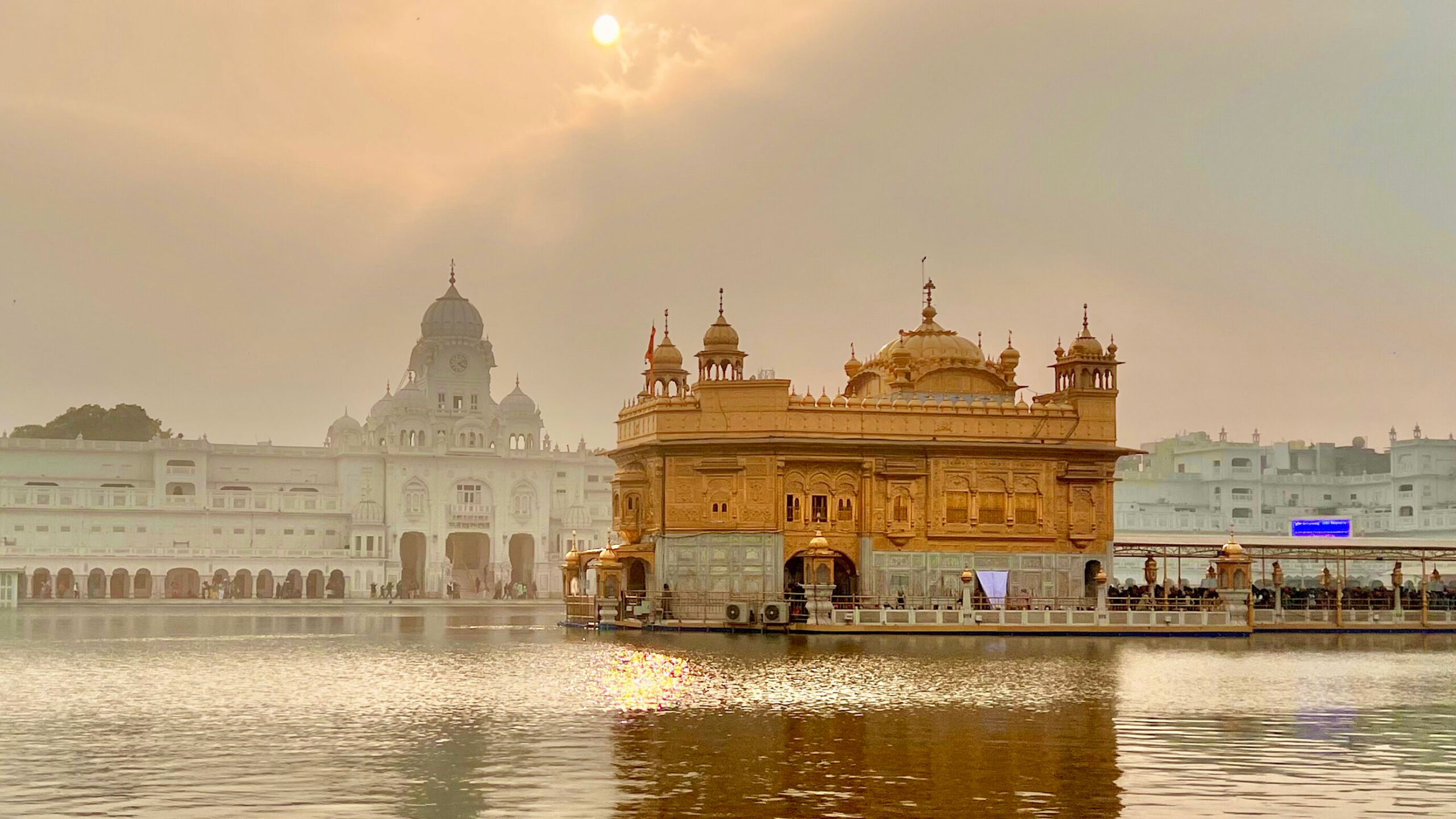
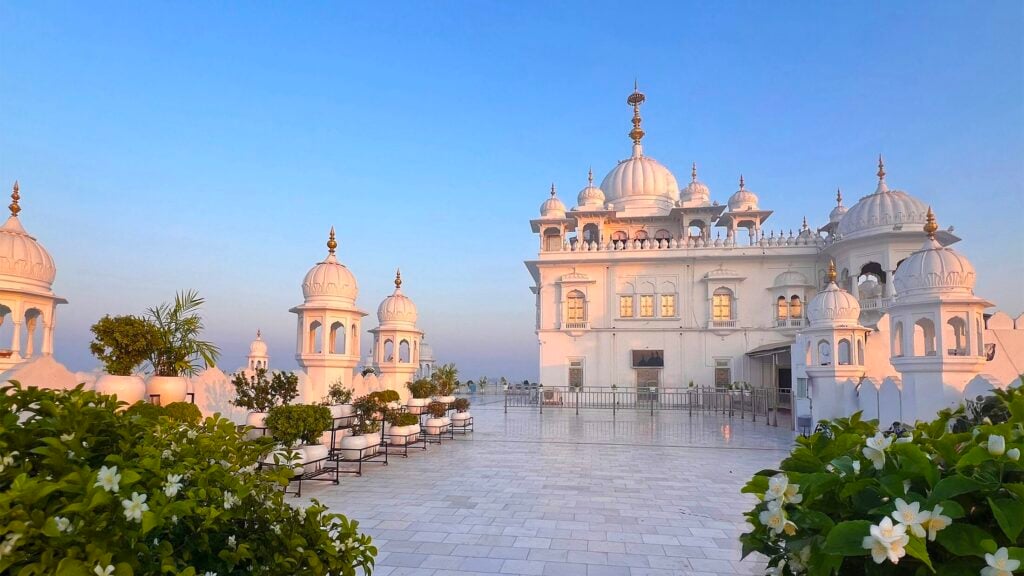
Amritsar, the “Pool of Nectar”: A city intricately woven around the Sacred Pool of Nectar at the heart of the Harimandir Sahib (The Golden Temple), stands as a testament to spiritual richness. Established by Guru Ram Das, it is often referred to as “Sach Khand” or the Realm of Truth, representing the highest blue ether or heaven. Amritsar is not only home to this spiritual marvel but also hosts Miri Piri Academy, the sanctuary of the global Kundalini Yoga community established by the visionary Siri Singh Sahib Yogi Bhajan in the 1990s.
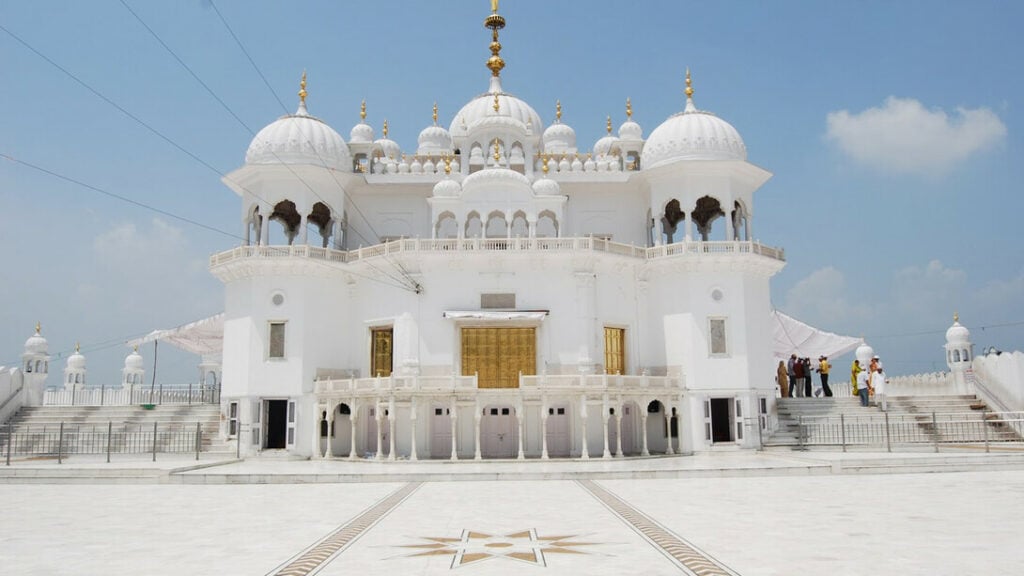
Anandpur Sahib, the “City of Bliss” : Nestled in the foothills of the Himalayas, Anandpur Sahib is a city steeped in spiritual significance. It was established by Guru Tegh Bahadur and the Birthplace of the Khalsa by Guru Gobind Singh. The city is graced by the presence of the Takht Sri Kesgarh Sahib, one of the five temporal seats of authority in Sikhism. The many historic gurdwaras are not just architectural marvels but embody the spirit of Sikhism. They stand as a testament to the courage, sacrifice, and devotion of the Sikh spirit.

Takht Damdama Sahib, one can feel the stillness of Guru Gobind Singh ji as he dictated the final version of the Guru Granth Sahib to Bhai Mani Singh and bestowed it with eternal Guruship. One of the five Takhts of Sikh authority, Damdama means “breathing place“. Baba Deep Singh Ji studied here under the Guru and later founded the Damdami Taksal, a seat of Sikh learning. it was here that Mata Sundri Ji and Mata Sahib Kaur Ji received the Guru’s letters and guidance for the community, continuing the lineage of the Khalsa with strength and grace.

Sri Muktsar Sahib, a revered site in Punjab, marks the place where forty liberated Sikhs, the Chali Mukte, attained spiritual freedom and martyrdom while fighting alongside Guru Gobind Singh Ji in 1705. The Guru blessed them with liberation and declared the land sacred as Muktsar, the “Pool of Liberation.” Today, Gurdwara Sri Tibbi Sahib and Gurdwara Sri Rakab Ganj Sahib stand as living memorials of their courage and devotion, reminding every visitor of the timeless path of loyalty, forgiveness, and fearless faith.



Mata Mandir Singh
Sound, Mantra and Shabd Guru Teacher
Mata Mandir Singh Khalsa is an internationally renowned teacher of Naad Yoga (Sound Current), Kundalini Yoga and Gatka (Shakti Yoga). He learnt Kundalini yoga under the guidance of Yogi Bhajan for many years and served in many of his projects. He is a gifted musician, pioneer of mantra music, who has recorded over 28 CD-s and cassettes from the 1970s to this day. He is the author of the book Naad Yoga: The Yoga of Sound Workbook. Mata Mandir teaches and plays his music all over the world, mostly in the USA, Canada, Mexico, Europe and China. For many years, he lived in Amsterdam where he worked as the owner of the Golden Temple Restaurant while pursuing his multifold musical activities. Today, he lives in Germany and serves as Musical Director at Guru Ram Das Aquarian Academy teaching and sharing the beauty of Naad Yoga.

Sukhdev Kaur
Continuing Education Director and Trainer
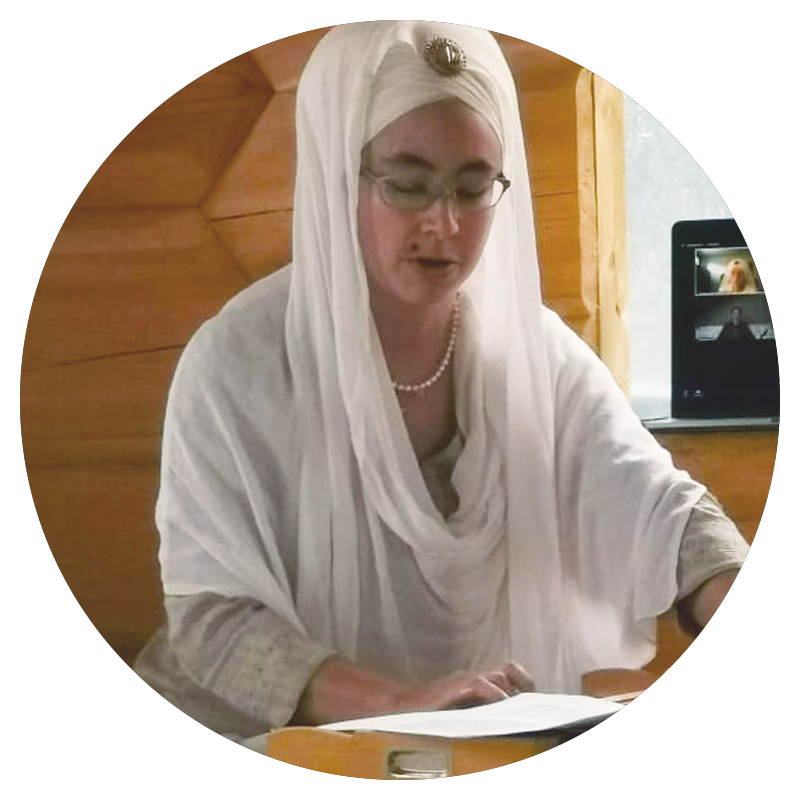
Sukhdev Kaur Khalsa, originally from Mexico, is a pioneer in the Baltics since the early 2000s, where she has been working extensively on sharing the Teachings of Kundalini Yoga and Sikh Dharma. She runs the Guru Ram Das Ashram in Estonia and travels around Europe, Mexico and India sharing the Teachings of Kundalini Yoga level 1, 2 and 3 internationally as a Lead Trainer. She is the coordinator of the European Yoga Festival Gurdwara, Chair of the European Khalsa Council and board member to Sikh Dharma International. Sukhdev Kaur holds transformational spaces for students in a warm and loving way in order for everyone to find their balance and place of spiritual growth.
What’s included in your Experience:
CONTACT US
Optional: Book a 15- minute call with our Continuing Education Lead to answer any questions and see if this is suitable for you or send us an email with your questions.

Registration
Early Bird (Until June 30, 2026) – $1,500 USD
- $300 deposit upon registration
- Remaining $1,200 due by June 30, 2026
Regular Registration (July 1 – September 1, 2026) – $1,800 USD
- $300 deposit upon registration
- Remaining $1,500 due by September 1, 2026
Last-Minute Registration (After September 1, 2026, if space allows) – $2,000 USD
Full payment required at registration
*Cost includes pick up from Amritsar airport and all local transportation to Anandpur Sahib, Damdama Sahib and other sites. This also includes accommodation and food during the course. Food during shopping trips and certain outings may not included.
*Registration closes September 1st, 2026
*Group discounts and financial aid are available, please book a 15-minute call with Sukhdev Kaur or send an email to [email protected]
* Single Room extra cost: $325 USD for the whole duration of the event
Refund Policy:
Before June 30: Full refund minus deposit
July 1 – September 1: 50% refund of the amount paid (deposit non-refundable)
After September 1: No refunds
Arrival and Departure Info
- Please fly to Amritsar Airport (Guru Ram Das ji Airport).
Arrival date at Amritsar is October 2nd. Departure date from Amritsar October 11th. - The course will start at Miri Piri Academy and together we will be travelling to Anandpur Sahib.
- MPA staff will pick you up from Amritsar Airport. We suggest you book your plane tickets all the way to Amritsar airport together with your international flights.
- Please make sure your passport is valid for at least 6-8 months after your trip to India. You must apply for an e-visa online prior to your trip. You can read our Travelling info for participants with all the details you need to prepare for your journey.
- If you have any questions please send us an email to: [email protected]

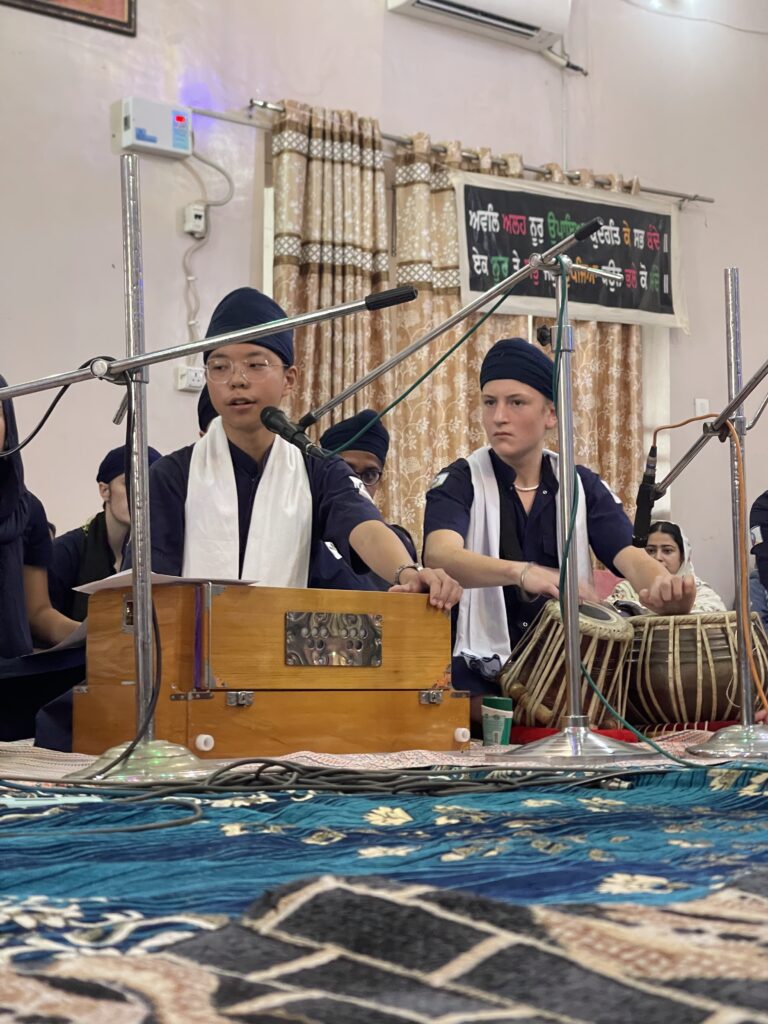
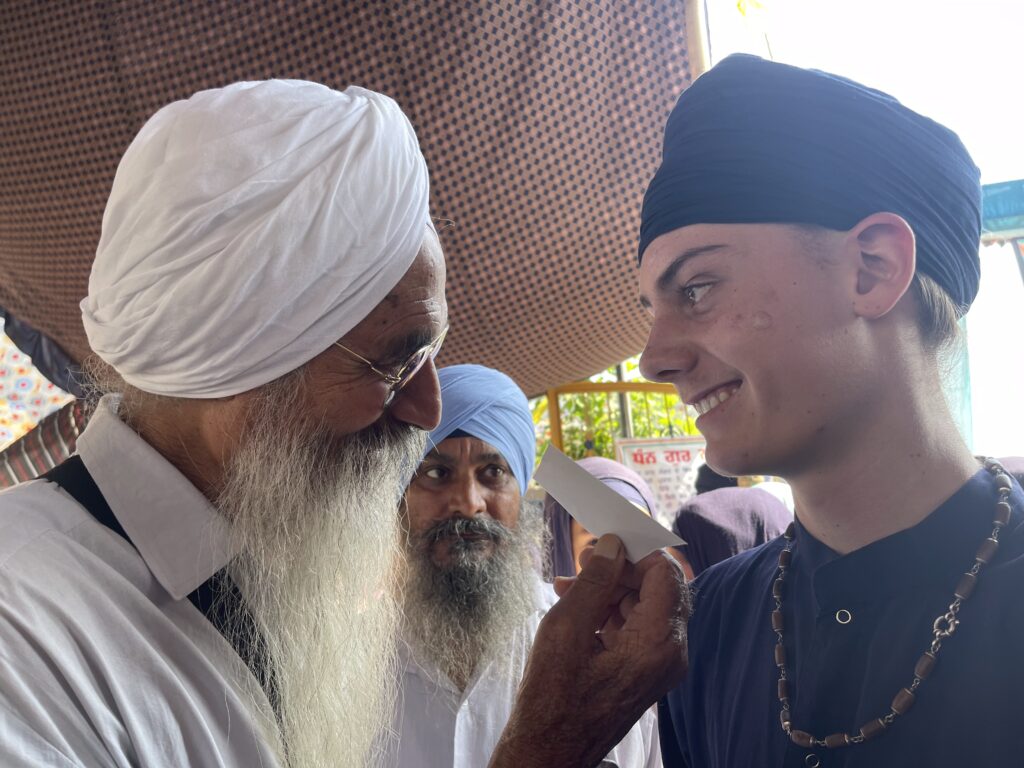
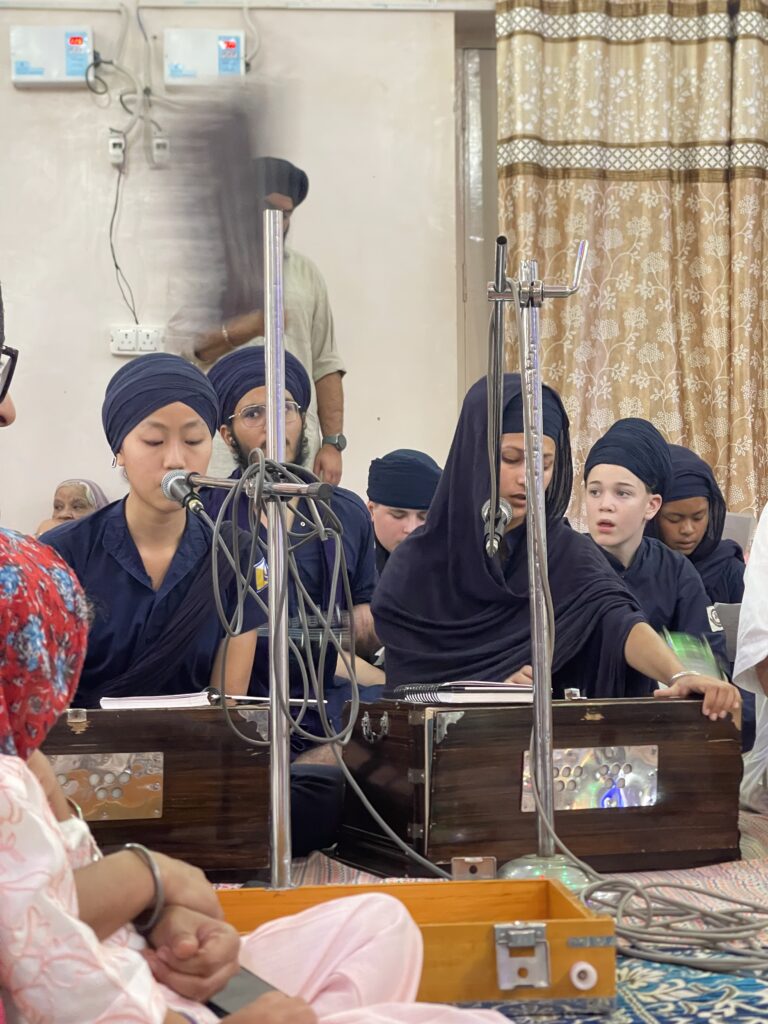
In preparation for the samagam, Mata Mandir Singh Ji worked with our students to play and chant Mul Mantra, Var Sri Bhagauti Ji Ki, and Jai Te Gang. Together, they offered powerful kirtan that uplifted the gathering and reflected the joy and devotion of the sangat.
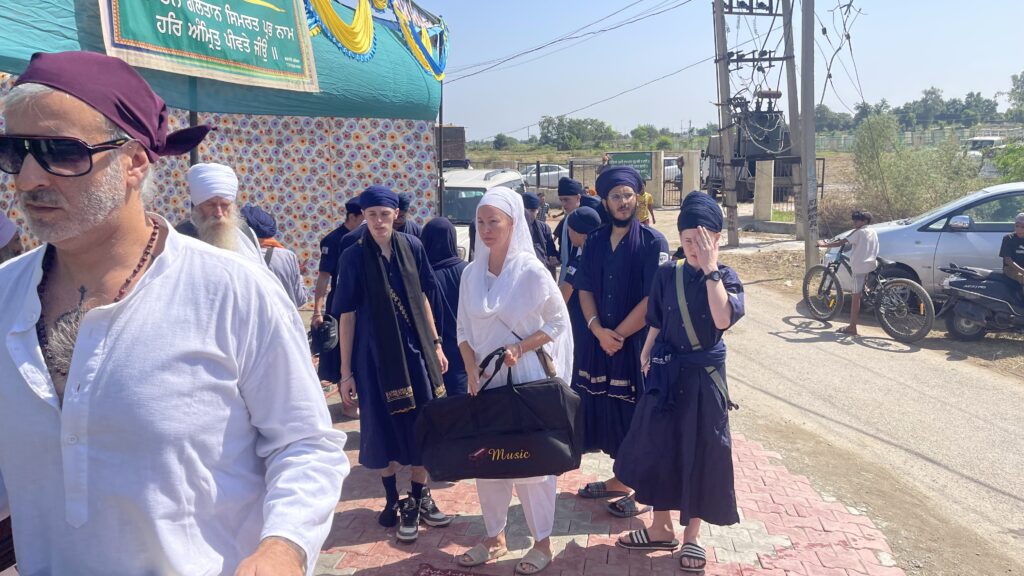
Later, we were delighted to welcome some of their kirtanees to our Friday Gurdwara at MPA, where they shared their beautiful kirtan with our students and staff — a wonderful exchange of music, love, and spiritual energy.